
Disclaimer and Rights Notice
This is an unofficial, fan-made work. It is not affiliated with, endorsed by, sponsored by, or approved by Marvel, Marvel Entertainment, DC Comics, Warner Bros., The Walt Disney Company, or any other rights holder, and no affiliation, endorsement, sponsorship, or approval should be inferred from its publication.
All characters, character names, and related indicia referenced in this work are trademarks of and copyrighted by their respective owners. This work claims no ownership of, and asserts no rights in, any underlying character, name, or property.
This is a non-commercial work of commentary, criticism, and analysis. It is published free of charge, carries no advertising or sponsorship, and is not monetized in any form. It is offered in the tradition of matchup analysis and literary criticism of published fictional works.
All artwork accompanying this work is original. It depicts no copyrighted character likeness, costume, mask, emblem, logo, or other trademarked symbol, and any resemblance to a copyrighted design is unintended.
If you are a rights holder, or an authorized representative of one, and you believe any part of this work infringes your rights, please contact the publisher. Any material identified as infringing will be removed promptly upon notice.
Highlights
The winner is Martian Manhunter, and he won without killing anyone. His hand holds zero kills in the whole series. The runner up is Wonder Woman, eliminated alive at the very end, a body's length from landing the first wound of the last duel. Third is the Silver Surfer, self exiled, beaten by no one, argued out of the arena by the only two entrants who never tried to beat him.
The decisive numbers are these. Thirty two heroes entered. Only two died in the entire series, and both deaths were unintended. Daredevil died in the midgame, a man nobody aimed at. Thor died in the endgame, in a duel he chose, against an opponent who stopped the instant the god's body failed.
The one line verdict is this: in a field where almost nobody would kill, the crown went to the entrant whose finish was permanent, non lethal, and priced almost free by his own code, the referee whose off switch became the law of the arena.
The study
The Heroes Royale ran the villains' experiment again with the field inverted. Thirty two heroes entered one bounded arena, aware, with standard powers and equipment and no outside help. The win condition did not change: the winner is the last entrant able and willing to continue, and banishment, binding, and forced bargains count as finishes.
Everything else changed, because the field's deepest constraint was not power. It was willingness. A hero royale has to price what each entrant will not do, even to win, and what it costs them when the arena keeps asking.
The framework
This is a serious scientific study. It is a serious framework applied to something fun, and the article says so in those terms because the distinction is the whole point. The subject is playful. The method is not. The method is projected constraints, and it is the anti bias mechanism of the study, the part that decides the results before anyone's preference gets a vote.
The mechanism has five elements. First, every entrant's card is priced only from what that entrant demonstrably does in canon: powers, hard limits, durability, speed, range, and failure modes, all read off the published record. Second, compulsions are treated as hard constraints, priced exactly like a broken weapon or a missing limb. For this field, kill willingness is a priced line on every card, because a hero's code is not color. It is a cost line. Third, every entrant is played at perfect optimization within character: the smartest possible version of their own game, run inside who they are, never through who they are. Fourth, one win condition is applied uniformly to the whole field, the last entrant able and willing to continue, with banishment, binding, and forced bargains counting as finishes for everyone alike. Fifth, contested calls and falsifiers are published openly, stated in the record and left unresolved where the record leaves them.
The claim follows in plain language. The outcomes follow from the measured capabilities and constraints under uniform rules, the way a physics result follows from its inputs, not from anyone's favorite.
The field
At the top stood the benchmark and the weather: the flying strongman every other card is measured against, and the god of thunder. Beside them stood the herald who rides starlight, the sorcerer whose prepared doors can end arguments, and the witch who rewrites the room. The fastest man in the field carried the edition's saddest card: immense speed, and no finish he was willing to use. The cosmic end held Superman, Thor, Hulk, the Silver Surfer, Doctor Strange, Scarlet Witch, and Martian Manhunter. The heavy band held Zatanna, Jean Grey, Flash, Shazam, Green Lantern, Firestorm, Wonder Woman, Captain Marvel, and Captain Atom. The middle held Plastic Man, Vision, Mr Fantastic, Invisible Woman, Iron Man, Cyborg, Storm, and Aquaman. The street and the wildcards held Batman, Raven, Captain America, Black Panther, Spider-Man, Daredevil, the Atom, and Ant-Man.
Below the giants sat the coalition material: captains, kings, detectives, engineers, and weather workers, entrants whose individual ceilings were lower and whose combined offices, jailer, anchor, referee, quartermaster, were the only structure that could govern a field of giants. The audit sorted all thirty two into three willingness classes. Some would kill when the arena left no other way. Some would not kill and held only temporary answers, which means their wins decay and their rivals come back.
Round one: the audit
The audit came before the gates opened, and it was closer to a dissection than to paperwork. Each entrant was written up as a card: powers, hard limits, durability, speed, range, failure modes, and one further line stated outright, kill willingness. The auditors asked the coldest question in the building: not who is strongest, but who can actually be finished, and by whom, and in what currency.
Superman's card set the scale: strength at the top of the conventional range, flight, heat vision, freeze breath, senses that make the whole arena his neighborhood, and durability that takes the longest of anyone whose body is made of ordinary matter. He has no special resistance to magic, which matters enormously on this roster. Above all, he holds back constitutionally: his first instinct is the minimum force that ends the threat, and against fellow heroes it is less than that. His pride is load bearing, and he has no telepathic defense worth naming. He cannot fly, and he cannot steer himself back from a genuine exile, and those two facts are the whole answer to him.
It is guilt, his operating system: he hesitates before violence, offers enemies the chance to stand down mid fight, and will not kill except at the extreme end of necessity. Doctor Strange needs no punch at all: shields that hold against cosmic force, bindings that have restrained gods, teleportation, and his signature finish, banishment, a door opened under a problem that durability cannot answer. Scarlet Witch is the widest gap on the roster: chaos magic that revises probability, matter, and reality itself, mounted on a baseline human body coupled to her emotional state. A stable Wanda incapacitates and depowers. A grieving Wanda kills, and the dial between them is not hers to hold. Zatanna's spoken magic rivals the sorcerer's ceiling word for word, and the verbal component is the whole card: silenced, or out spoken by speed, she is a baseline human with no passive defenses at all.
Telepathy is the great bypass of this edition. It ignores bodies entirely, and it has exactly two answers: the other telepath, and the one mind on the roster that cannot be read. His kill willingness line is the audit's favorite sentence in the edition: he will not kill if any other path exists, and his is the one case where the constraint is nearly free, because sleep, paralysis, and memory looping are finishes that leave the opponent alive and out.
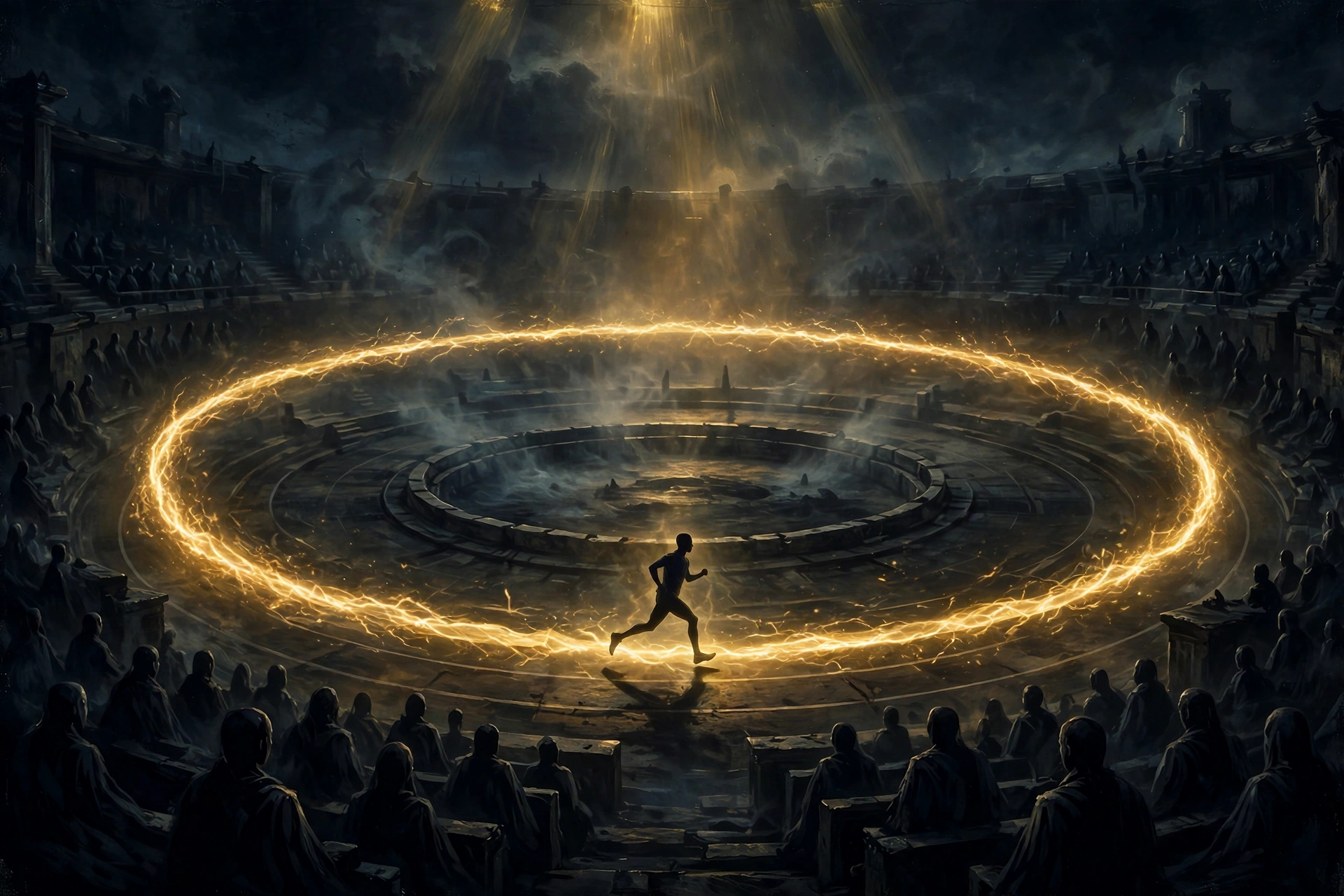 Flash, the fastest entrant in the arena, audited as the owner of an action economy he cannot spend on finishes
Flash owns the action economy and cannot spend it on finishes. His finish line prices him: incapacitate only, at the strongest grade on this roster, and he saves everyone, including enemies, reflexively, mid fight, at cost to himself. He will not kill, full stop, a child's absolute, compounded by pulled finishing blows against people he admires, and he fell a full tier in the corrections for exactly that.
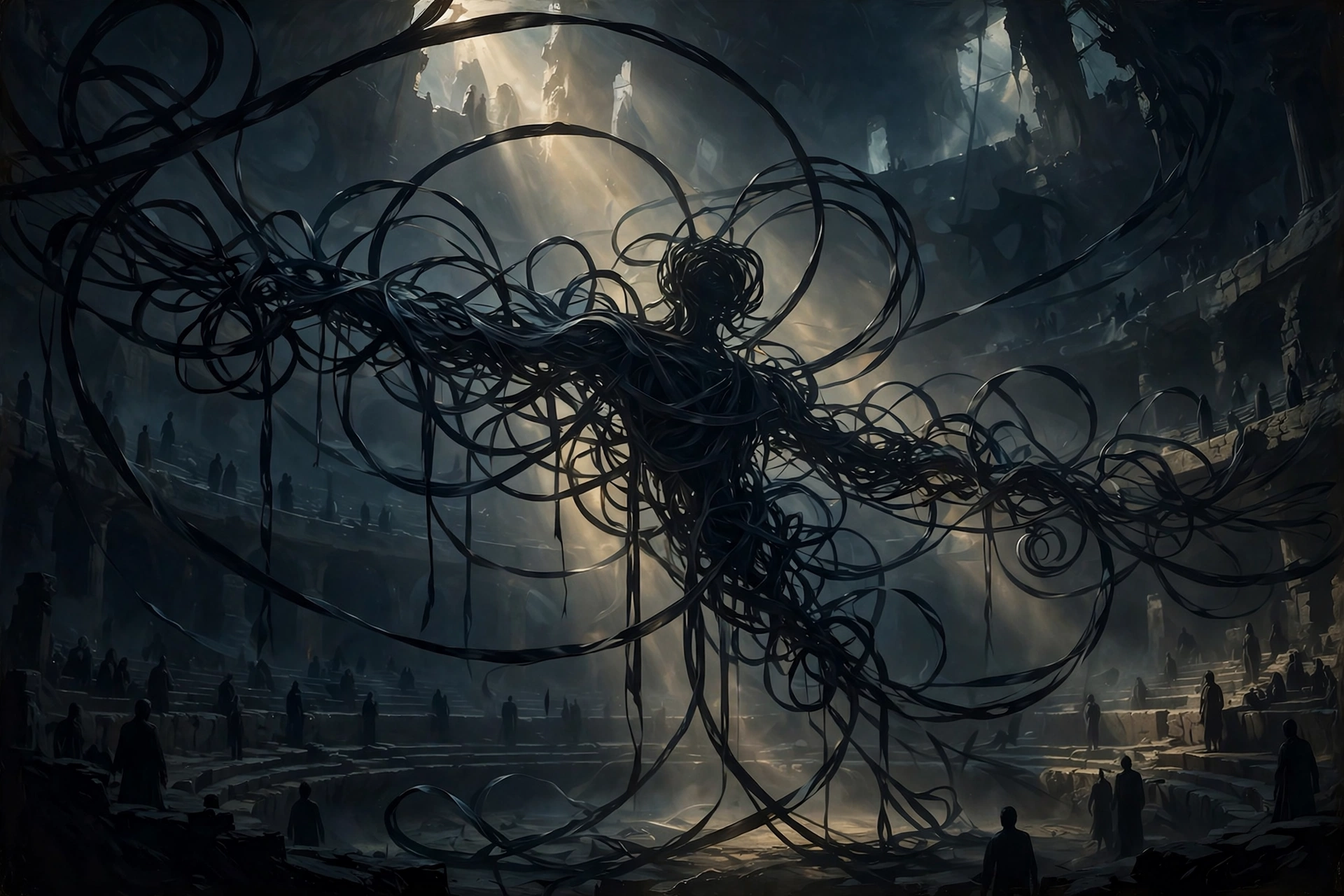 Plastic Man, the entrant the audit prices as the one nobody in the field can damage out of the fight
Plastic Man's whole body was rewritten into a living polymer under his total conscious control, and the card is blunt about the damage route: there is not one. Blunt force, blades, bullets, and crushing deform him and accomplish nothing. He has no organs to rupture and no bones to break. What eliminates him is a bypass class only: extreme cold, sealed containment, banishment, and matter rewriting.
The audit's findings set the edition's shape.
Round two: the tiers
The second pass read every card against every other card and asked two questions of all thirty two. Who can you actually finish? And who can finish you? A temporary incapacitation does not count, because temporary answers expire. That rule demoted some of the strongest bodies in the field and promoted the entrants whose non lethal finishes are permanent.
Three entrants formed the unfinishable problem, in three shapes. Plastic Man is the pure case: finishable in a duel, unfinishable in a royale, because every route against him requires an engagement he can simply refuse by spending the contest as furniture. The Hulk is the conditional case: exactly two single entrant finishes exist against him, Strange's door and the Surfer's gamma drain, and if they fall early, a late curve Hulk is unfinishable by anyone left.
Running the other way stood the inverse problem, this edition's central asymmetry. Their problem is that they cannot finish. Their holds expire. Their targets re form, or escalate, or simply do not tire. The strongest bodies in the field hold the weakest finishes, and the weakest bodies hold the strongest ones.
The food chain made the point link by link. Strange stands over the Hulk on the door. Flash stands over Strange on startup time. Manhunter stands over Flash on the three axis contest of telepathy, phasing, and burst speed. Firestorm stands over Manhunter on manufactured fire, the Martian's one hard limit arriving as the nuclear man's side effect.
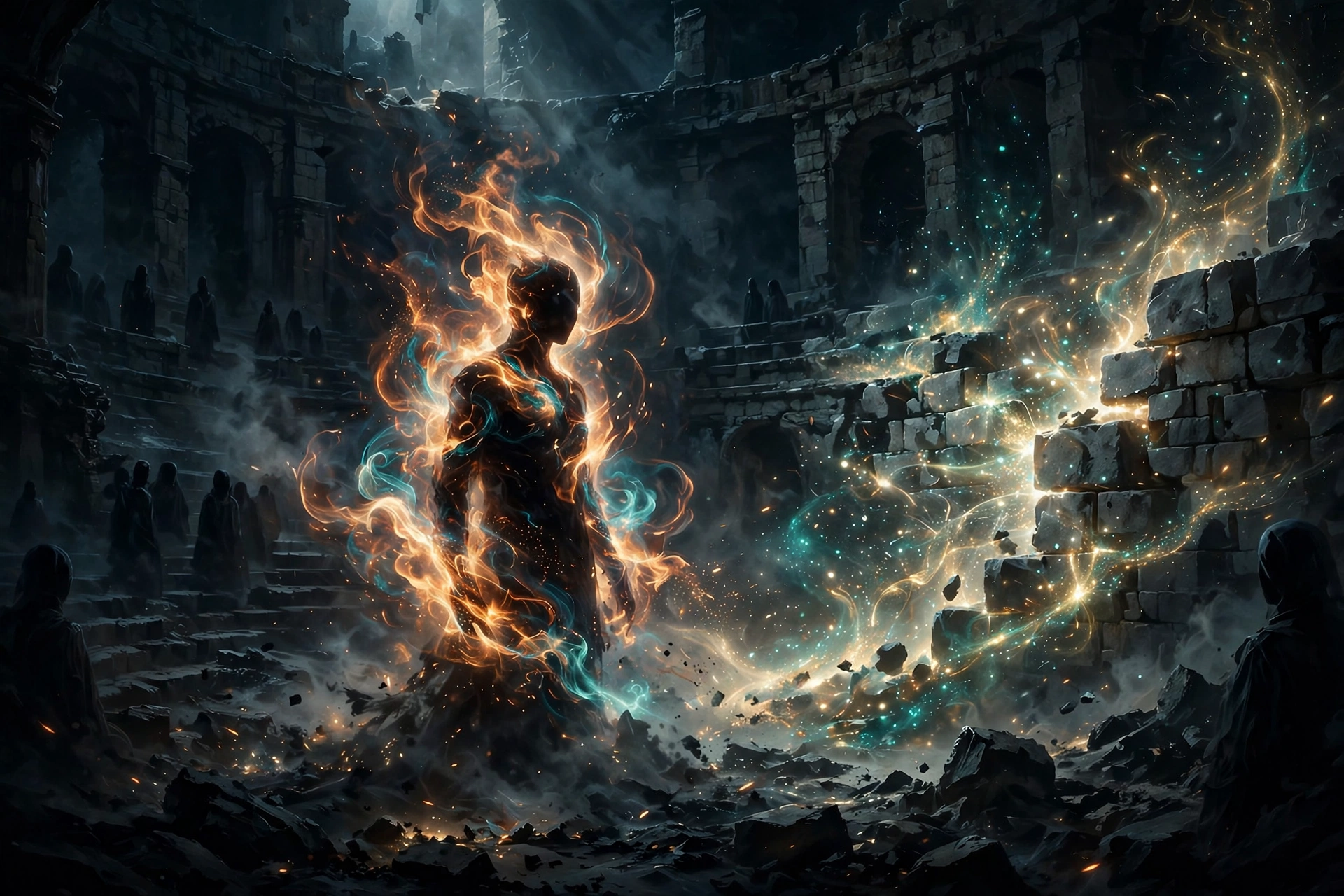 Firestorm, priced in the tiers as the natural predator whose main power manufactures the Martian weakness as a side effect
Scarlet Witch stands over the Surfer on the edit. Manhunter stands over Jean Grey on the two front war. Plastic Man stands over Manhunter on the ungrippable mind. Strange stands over Plastic Man on the native language, because banishment is a priced route against him. One name's placement is the chain's thesis: Superman appears twice, both times as the victim, and never as the victor. Not because he loses duels. Because the chain is priced on finishes.
 Green Lantern, priced as the cage builder whose whole card hangs on a ring charge and one stealable battery
Green Lantern sits off the chain by design, a cage builder whose wins are engineering projects rather than links: constructs of solid willpower energy in any form he can imagine and hold, fed by a personal battery that is a physical object, targetable and stealable, with constructs exactly as strong as a concentration that pain, fear, and exhaustion thin in real time.
The corrections at the top rewrote the seeding. Martian Manhunter took the cosmic tier's top royale seed from Superman, because the off switch is the best finish in the field: permanent, ranged, multi target, and nearly free of his code. Superman fell inside his own tier, flagged in print: cannot close. Jean Grey rose from heavy to cosmic, conditionally, as the tier's glass member.
Against that arithmetic the coalition took its offices. The spine is Captain America, the finest field commander on the roster. The brain is Batman, with Black Panther and Mr Fantastic as second and third brains. The alarm is Daredevil, backed by Spider-Man. The saboteurs are the Atom and Ant-Man. The jailer is Plastic Man. Shield and sword are Invisible Woman and Storm. Infrastructure and doors are Cyborg and Raven. And the scarcest resource in the structure is finishers: inside the lower slice, only six entrants can actually close.
Round three: the opening
The villains' royale opened with a cull. This one opened with a reading: Martian Manhunter's read of the whole field, every plan, taken in during the first seconds.
 Scarlet Witch, switched off inside her first hex about two seconds into the opening
At about two seconds, Scarlet Witch was switched off, inside her first hex. The off switch arrives at the speed of thought against a baseline human who has to see a thing before she can change it, and she loses that race. She went quiet, alive, breathing, unhurt, and out.
 Zatanna, switched off inside her first syllable before she could speak a complete word in the royale
At about three seconds, Zatanna was switched off inside her first syllable, one word from gone. Her whole power set is priced in units of speaking time, and telepathy does not speak. Superman's blitz never launched either. His royale play is not the blitz. It is the anchor.
Superman took the center, and the field oriented around him, exactly as the tiers priced him: a coalition magnet, a man the field organizes around rather than against. It was choreography. Superman grappled and steered him toward prepared ground. Thor fought like weather, at range, on the screen rather than in a duel. It worked for under thirty seconds. Hulk came up out of it angrier, which is to say stronger, the entire finding of the tiers demonstrated on the strongest body in the field. It was a delay, recorded as a delay, and what it bought was time.
Firestorm's opening arrived as architecture: about ninety seconds of rewriting, a sector of floor rewritten under the screen's edge, loose equipment slagged or caged, and a reach for Hal Jordan's personal power battery, which broke on the guard Hal cast before anything clever. At about ninety seconds Barry Allen crossed the arena inside the Matrix's perception window and ended the fight the way his code requires: a thousand incapacitating touches, nerve disruption and vibration, no lethal act available to him and none needed.
At the other end of the arena, the coalition formed. Daredevil was revealed already reading the arena, and from that moment the coalition was unambushable. Plastic Man did not join. There was a tarp near the rally point that was not, strictly speaking, on the arena's inventory. Nobody commented on the tarp.
 Mr Fantastic, shut down asleep in the debris field after he stopped walking to read the battlefield
The intake collected exactly one member of the lower field, at a full stop, in the open, reading. At about one minute fifty, Reed Richards sat down in the debris field with his notebook, asleep at the speed of intention, unhurt and out. Not a massacre.
He got to choose whether the processing was a plan or an accident. He chose the plan. Sue's fields and Storm's weather closed the ground. Aquaman met the charge's edge with the trident, at peak strength. It aimed him. Then the tarp stood up. Plastic Man became the containment, wrapped, sealed, smothering, immune to the damage that would free the prisoner, flowing with every surge instead of resisting it. Against the early curve, it held long enough, and long enough was the whole play. The rescue compulsion collected its first tax inside the play. Spider-Man broke position to catch Lang, because he cannot leave anyone and does not check with Rogers first. Raven absorbed Murdock's pain compulsively, spending composure that is also her gate's margin. Rogers re tasked the rescue in one breath and stayed on the door play.
 Raven, who spent the deliberate fraction of her gate to banish the wrapped Hulk out of the arena
Then the screen was whole again, and at about four minutes thirty Raven spent the deliberate fraction. Exactly the fraction, no more. The soul self took the wrapped, raging center of the fight out of the arena, into a dimension he cannot walk back from.
 Hulk, banished by Raven door while wrapped by the jailer, removed before his curve could steepen
Hulk was eliminated, by banishment, unhurt in any way that matters to him, and out of the royale. Raven's gate stayed shut. Iron Man joined at about three minutes thirty, on Stark's terms. And the Surfer stopped talking and executed the second half of his pricing, bargain, then strip: a first disarmament pass at relativistic speed that eliminated no one and told the field what the parleying man actually is. At the ten minute mark, five of thirty two were out, and nobody was dead. Twenty seven remained.
Round four: the midgame
Panther's calculus wrote the queue: first the Silver Surfer, the only entrant actively degrading the coalition now; second Captain Atom, the named plan against the coalition's own anchor, inside the wire with a rising gauge; third Strange, not to be processed but to be priced; fourth Shazam, managed, not processed, the only entry written in pencil.
The price was the coalition's prisoner. Firestorm, held since the opening, unconscious in custody: the working needed a fire manufacturer's living matrix as anchor and fuel, and what it does to the anchor is not survivable in any sense the coalition could still call custody.
 Captain America, who refused the prisoner fuel bargain in one sentence and kept the coalition word intact
Rogers refused in one sentence: we do not spend prisoners. Strange withdrew the offer without heat. The exile stayed unspent.
It became a very precisely made paperweight. The Lantern's light died by two hands.
Then the coalition put Palmer inside Captain Atom's systems. Atom did not kill Palmer. He flooded the volume, and the radiation bath found the lens assembly, the suit that is Palmer's whole power, and cooked it past function.
 Atom, eliminated when the radiation bath cooked his lens after he declined the lethal version of his run
The Atom was eliminated, alive, bodily whole, and a baseline scientist with his lens a slagged relic, unable to continue. His last act was declining to kill a man.
The off switch did not land: the Surfer was not where the strike assumed. Superman closed, got his hands on the Surfer, a real grapple between peers, and won it, pinning the board while Diana crossed the distance with the lasso. Then the Surfer stopped being a body in the grapple. He came apart out of Superman's hands like light leaving a room, re formed at range, and Superman's hands were still closed on the shape of the win.
 Captain Atom, who absorbed past the redline and leaped out of the fight rather than vent the surplus through his own staff
Captain Atom was eliminated, by his own defense. Alive, elsewhere in time, and out.
She did not propose it to the staff. She reached, past her governor, to puppet Thor. The duel over Thor's motor control lasted seconds and was not close. J'onn used the off switch on his own staff officer.
 Jean Grey, switched off by her own staff officer as she reached past her governor to hold a god
J'onn switched the rescuer off first. Flash was eliminated by Martian Manhunter's off switch, mid rescue, in its first instant, alive, unconscious, and out. He resigned the staff, phased out of the formation, took a position at the arena's edge, and informed Diana, in a voice the whole formation heard, that the off switch would not be used on an ally again, by him, at anyone's order.
In one pass he transmuted the load bearing ground under the fortification, drained the field generators' feeds at three points, and pulled the weather's moisture out of a sector of sky. Matt Murdock paid it himself. Interposing without arithmetic is the oldest line on his card. He threw himself between the transmutation front and Stark's exposed repair station.
 Daredevil, killed unintended when he interposed himself in a transmutation front nobody aimed at him
Daredevil is dead. It was the midgame's one death, and the edition's first. Nobody aimed at him. Stark's stasis rig and Cyborg's systems closed the Lang problem. His regulator was scrap.
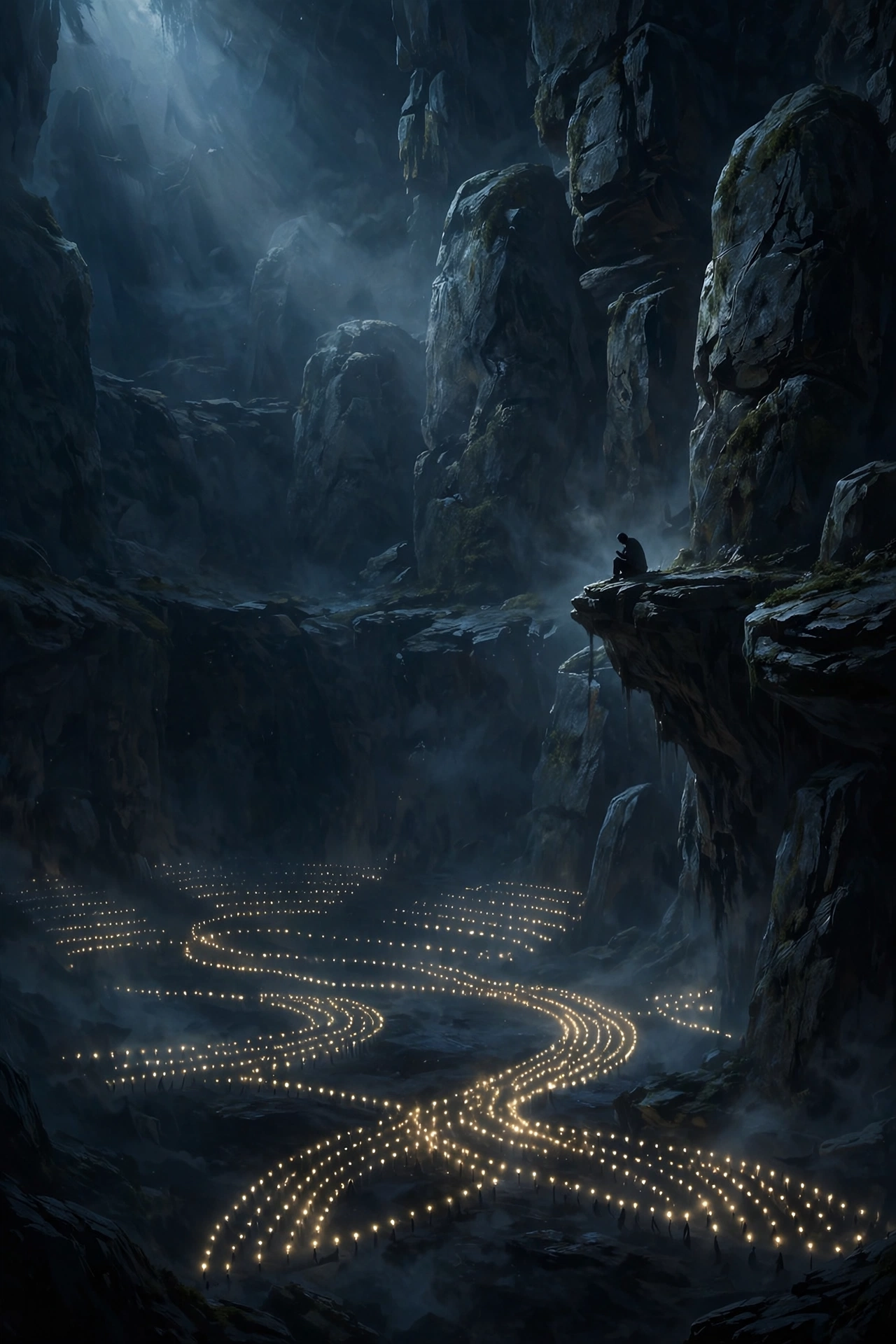 Lang, the Ant Man, sealed alive in medical stasis after his patched regulator failed during the expensive rescue
Ant-Man was eliminated, by containment in stasis: alive, stabilized, sealed in the medical stasis built around him, unable to continue. The processing ended not with an elimination but with a bargain.
During the processing's loudest phase, Billy broke formation and charged the Surfer alone, with a god's lightning lit, to do the thing the queue said nobody present could do. A pulled blow against the Power Cosmic is not a mercy.
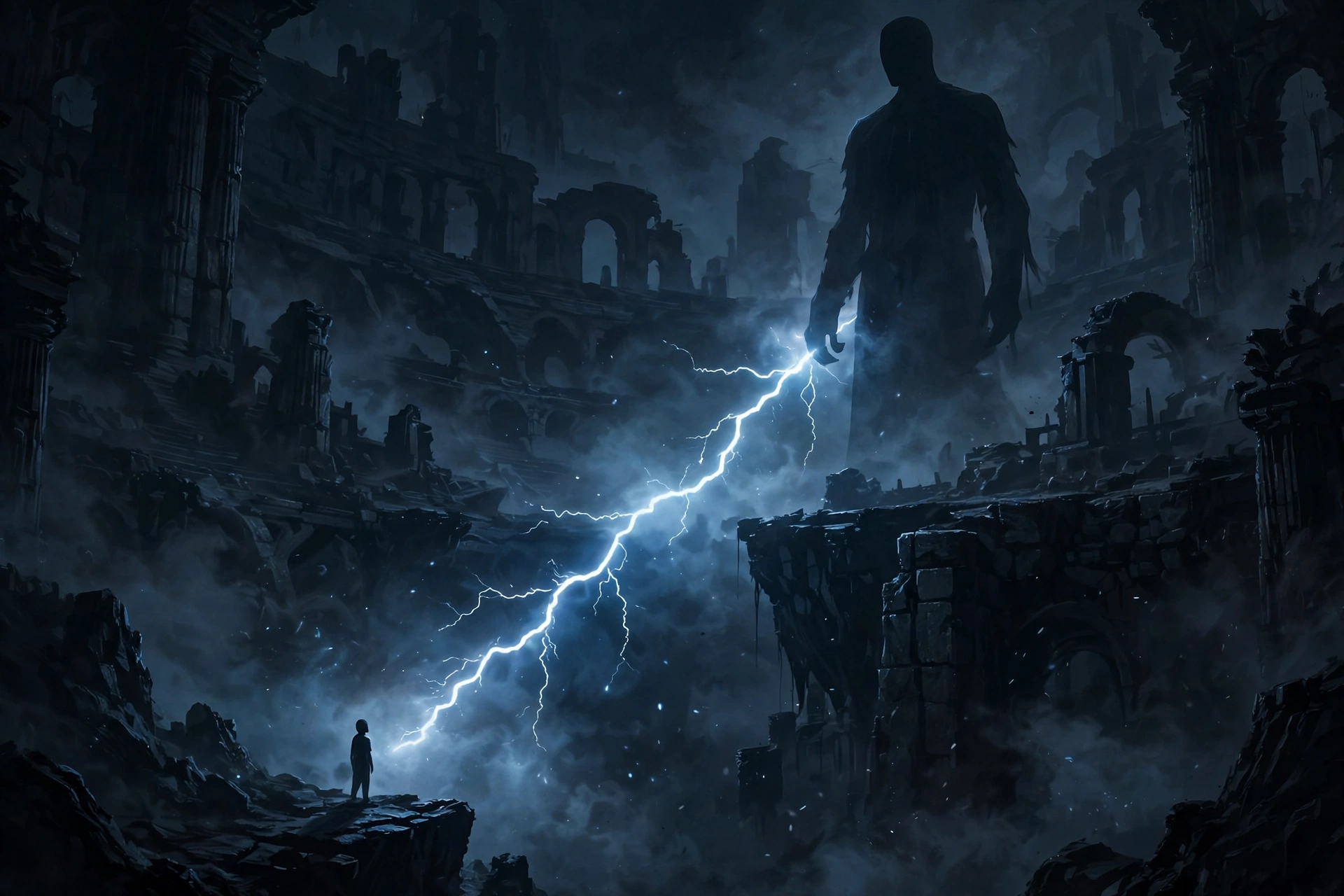 Shazam, switched off at range in the instant his solo charge at the Surfer became a liability
Shazam was eliminated, by the off switch: alive, asleep, unhurt, carried to the custody ground by the people he was trying to impress.
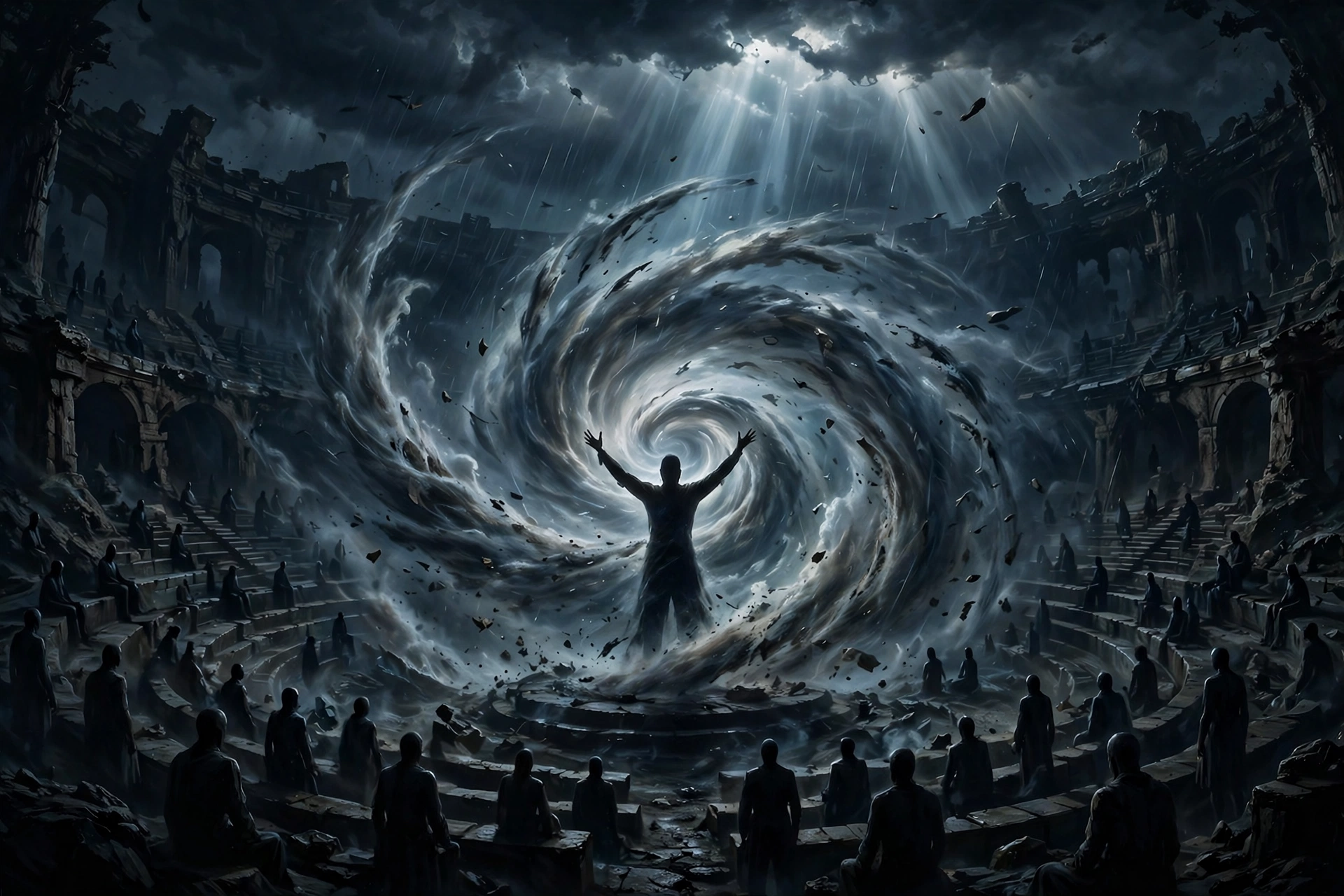 Storm, rationing the rain between the fight and the king whose clock her weather alone could pause
Arthur Curry spent his peak in the opening, screening the Hulk play. Ororo rationed it the only way the midgame allows: the fight first, because the fight is where the dying is fastest.
The position held. Then the clock, running since the first minute of the royale and only ever paused, finished running. Arthur Curry collapsed at his post, not struck down, spent by dehydration.
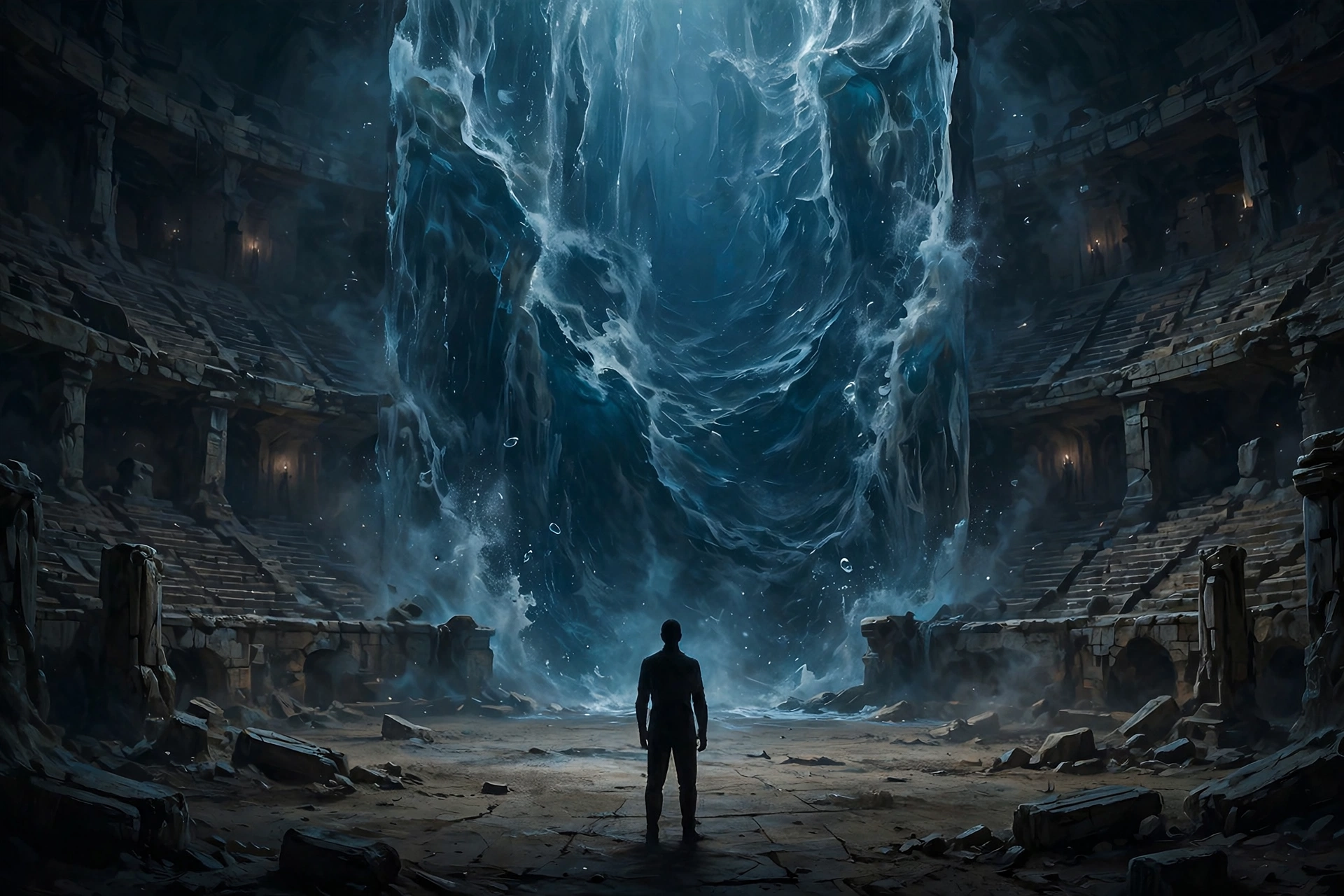 Aquaman, eliminated by his environment at the post he would not leave, his water clock finally run out
Aquaman was eliminated, by his environment: alive, carried out of the line by his own side, unable to continue, removed by the one opponent who was never on the roster.
Vision sold the finish: his phase disruption, placed at the coalition's disposal for the Surfer problem. Rogers gave the word. Norrin Radd did not dodge the hand.
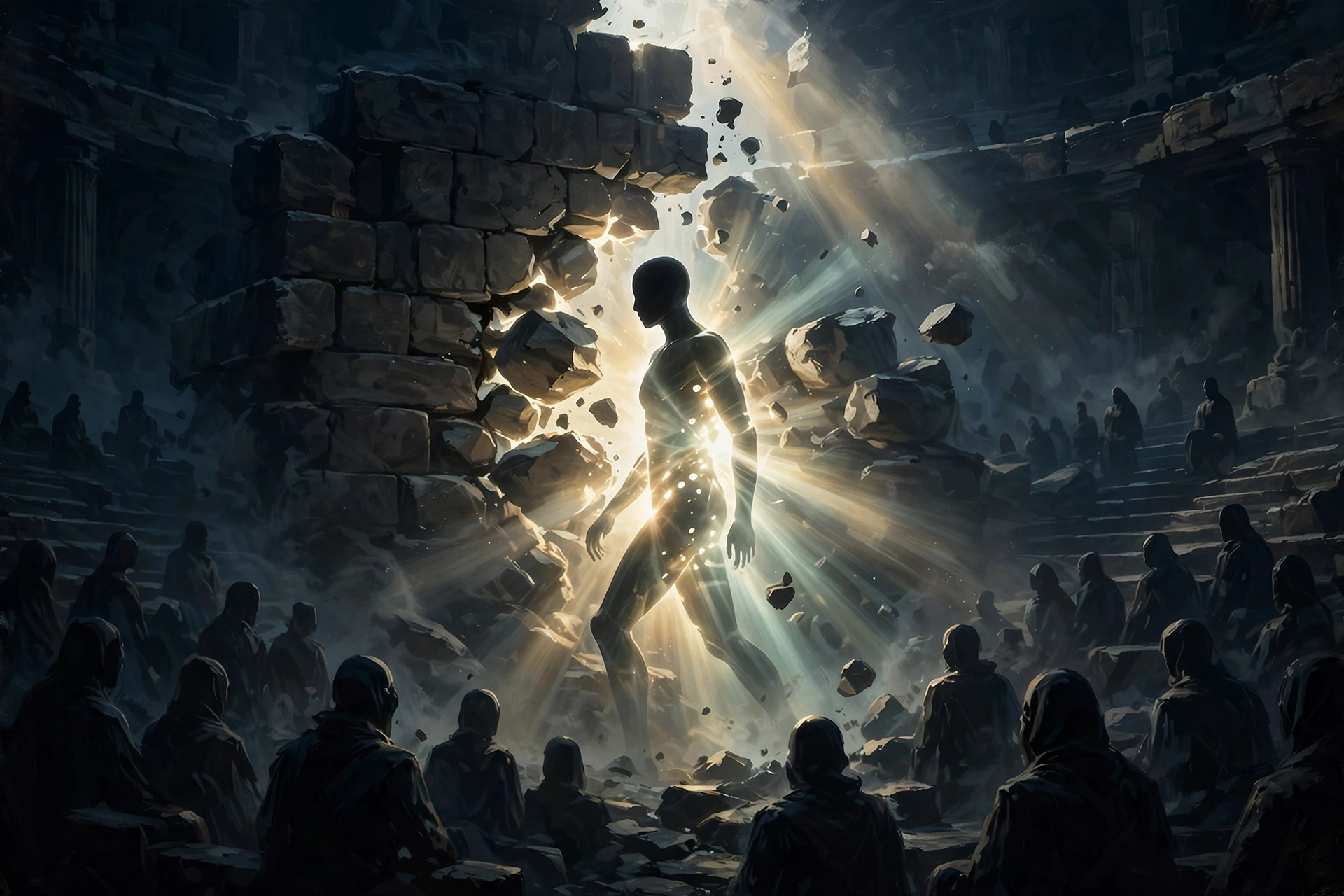 Vision, eliminated when the Surfer fed a surge through his phased hand and cracked the jewel his whole existence runs on
Vision was eliminated, by damage to the jewel: the crack ran through the solar jewel's lattice at contact, his power economy collapsed to life support rationing, and the synthezoid who finally joined was carried out of his first coalition fight dark, silent, and unable to continue.
Eel O'Brian was the only entrant whose elimination gets more expensive every hour. He could not abandon the office without abandoning the prisoner. Superman did not overrule it.
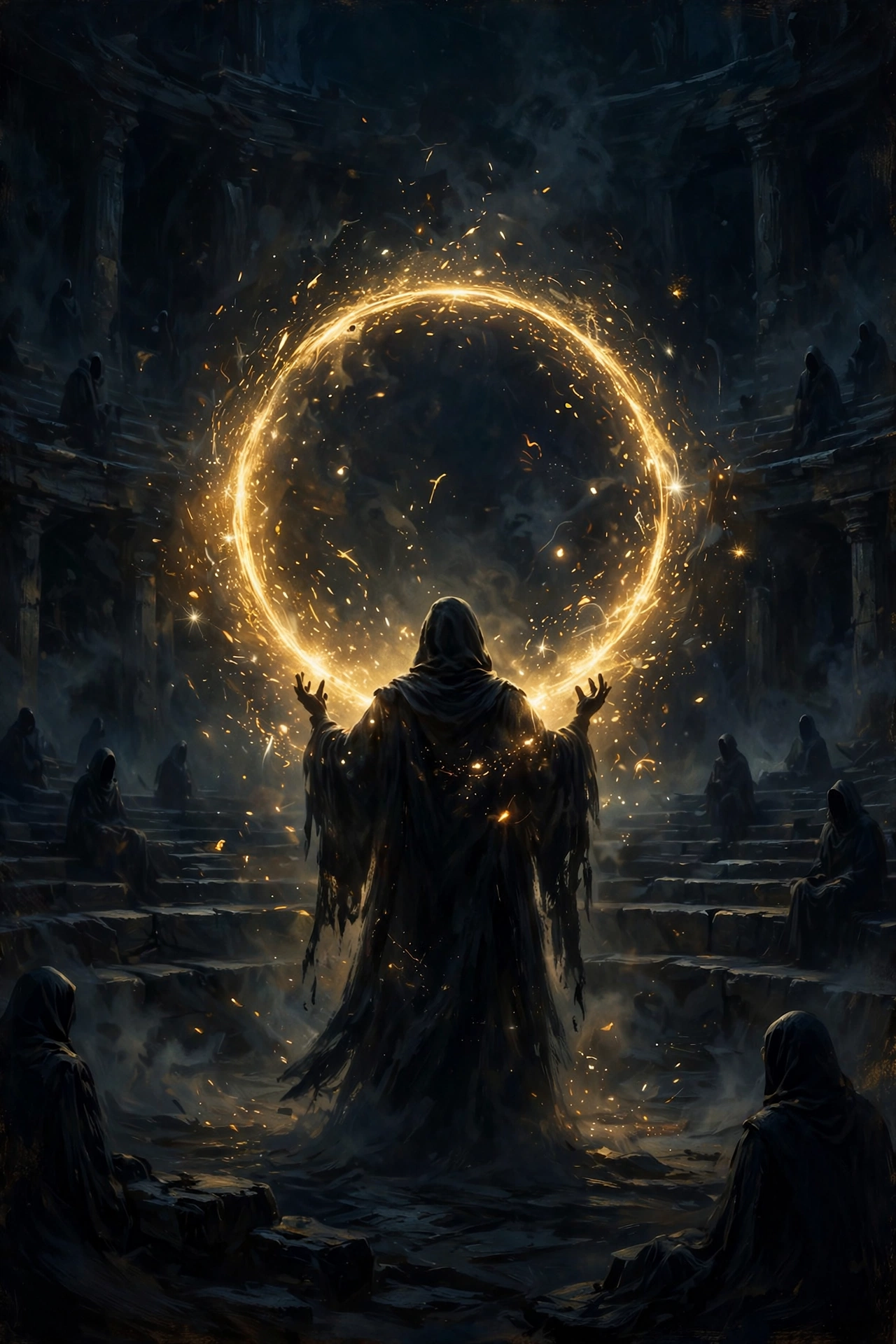 Doctor Strange, spending his one prepared banishment on the jailer pinned to the custody he was holding
Plastic Man was eliminated, by Doctor Strange's banishment, the prepared exile spent at last, while his jailer's office pinned him to the Firestorm custody. Alive, elsewhere, unhurt, and probably not even surprised.
Count the midgame: ten names came off the board, and the field went from twenty seven to seventeen.
Round five: the verdict
The Silver Surfer crossed the truce line to drain the waking fire down through the Power Cosmic, stationary by choice, and Diana made the call: Diana bound, Sue sealed, Superman held. The Surfer was processed, not eliminated, because nobody present owned a finish that survived his re forming. Green Lantern was eliminated by the countdown: alive, unhurt, willing, and not able, which is not enough.
The giants then courted the referee. Diana accepted on the spot.
The working required Thor's isolation to hold still. It did not: Firestorm stirred, the Surfer crossed the line, and Thor moved.
Raven was eliminated by self removal, under Rogers's keeping, alive and unhurt. Had the door completed an hour earlier, Thor leaves alive with his honor intact: no duel, no second death. Thor, unbanished, went on to the duel. Thor's card grades on courtesy. The exchange rate favored the man whose wounds close. Thor's do not: he has no true regeneration, and damage had accumulated across the whole royale. Thor saw it coming and waved it off, not in rage, in courtesy.
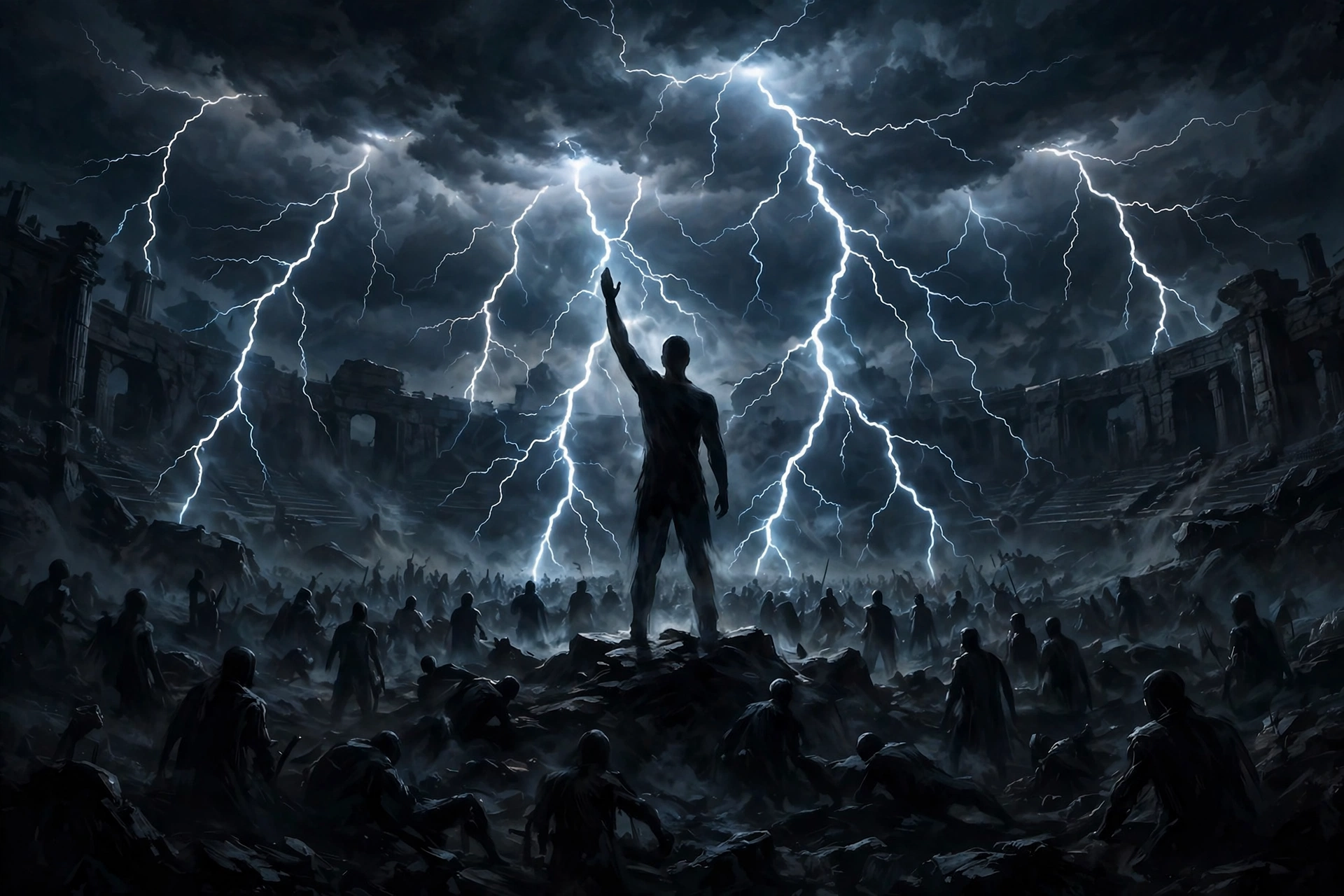 Thor, killed unintended in the duel he chose, after freeing his opponent from the seal with his own hands
The Surfer did not kill Thor Odinson. The record is exact: he defended himself at full output against a killing intent god at contact range, and stopped, visibly, the instant the god's body gave out under him. Thor was killed in single combat, by accumulated damage: the edition's second death, in a duel he chose, having freed his opponent with his own hands. The tiers had priced it in advance: he out outputs her absorption ceiling; she is a converter, and he is the larger supply.
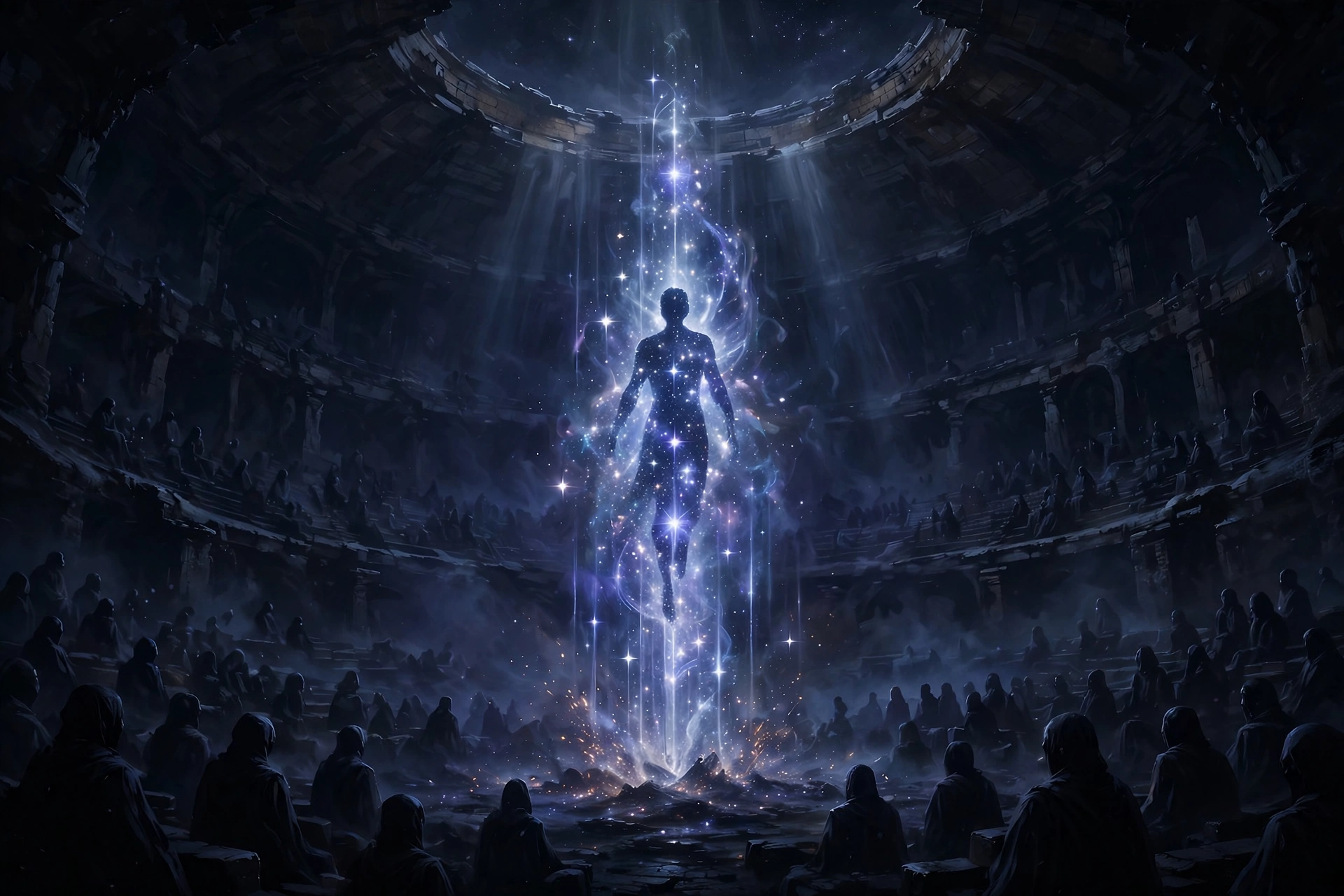 Captain Marvel, eliminated by overload when the Surfer fed her conversion past the ceiling her card prices
Captain Marvel was eliminated by overload. She came down out of the flare unconscious, caught by the man who fed her, and laid gently beside the sleepers. Alive.
He walked to Diana and made the offer no one else could make credible: bind me. The binding had to be real, lasso, field, and spell together, because anything less was a delay he could break.
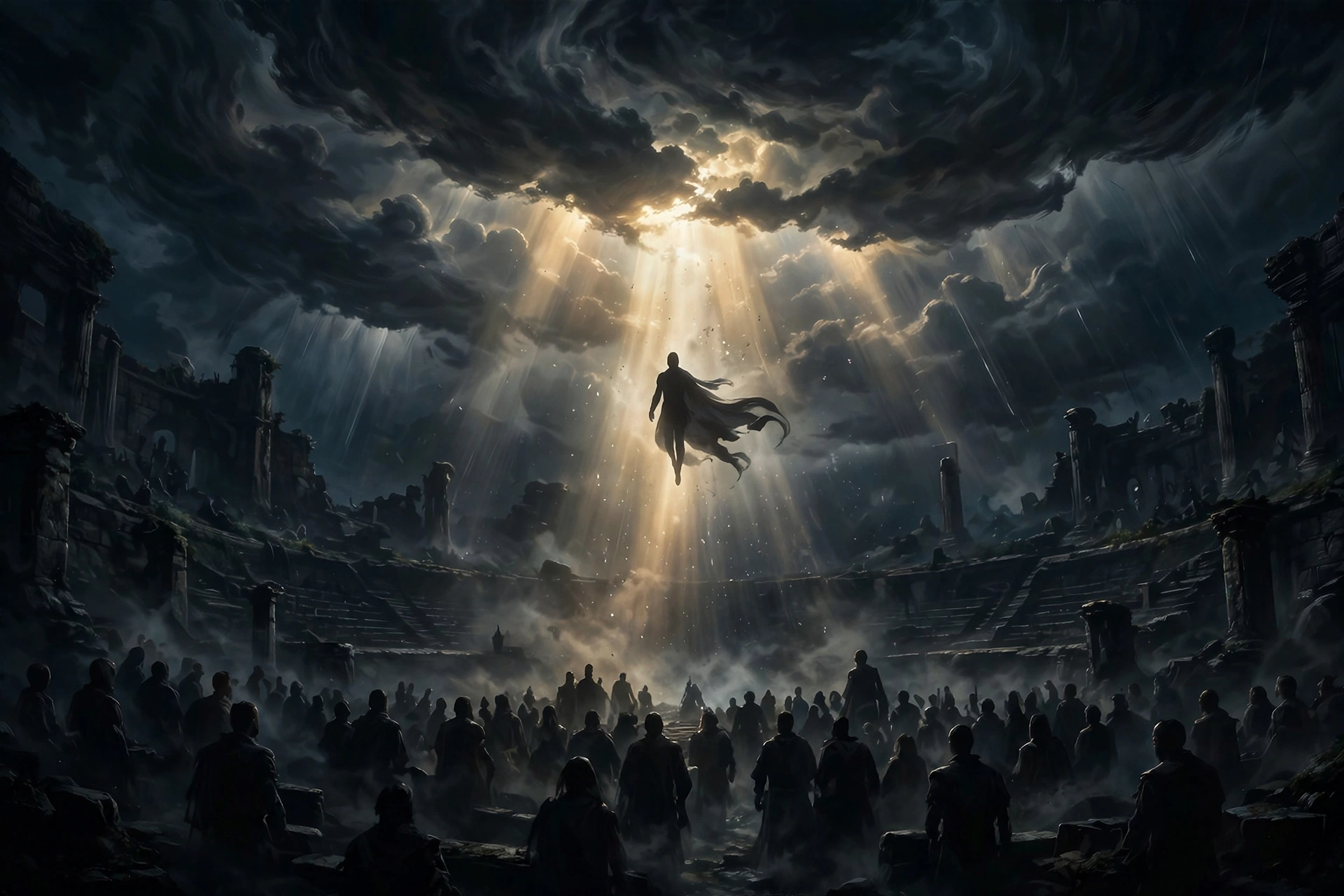 Superman, bargained out at full strength and unmarked, bound by lasso and field and spell to his own sworn word
Superman was eliminated by forced bargain, self brokered, at full strength and unmarked: alive, conscious, and out, counted out by his own sworn word. Rogers had refused that purchase in the midgame. The referee reached into the conversation gently and switched Stephen Strange off mid sentence.
It failed on the one fact her invisibility cannot touch: J'onn does not need to see her.
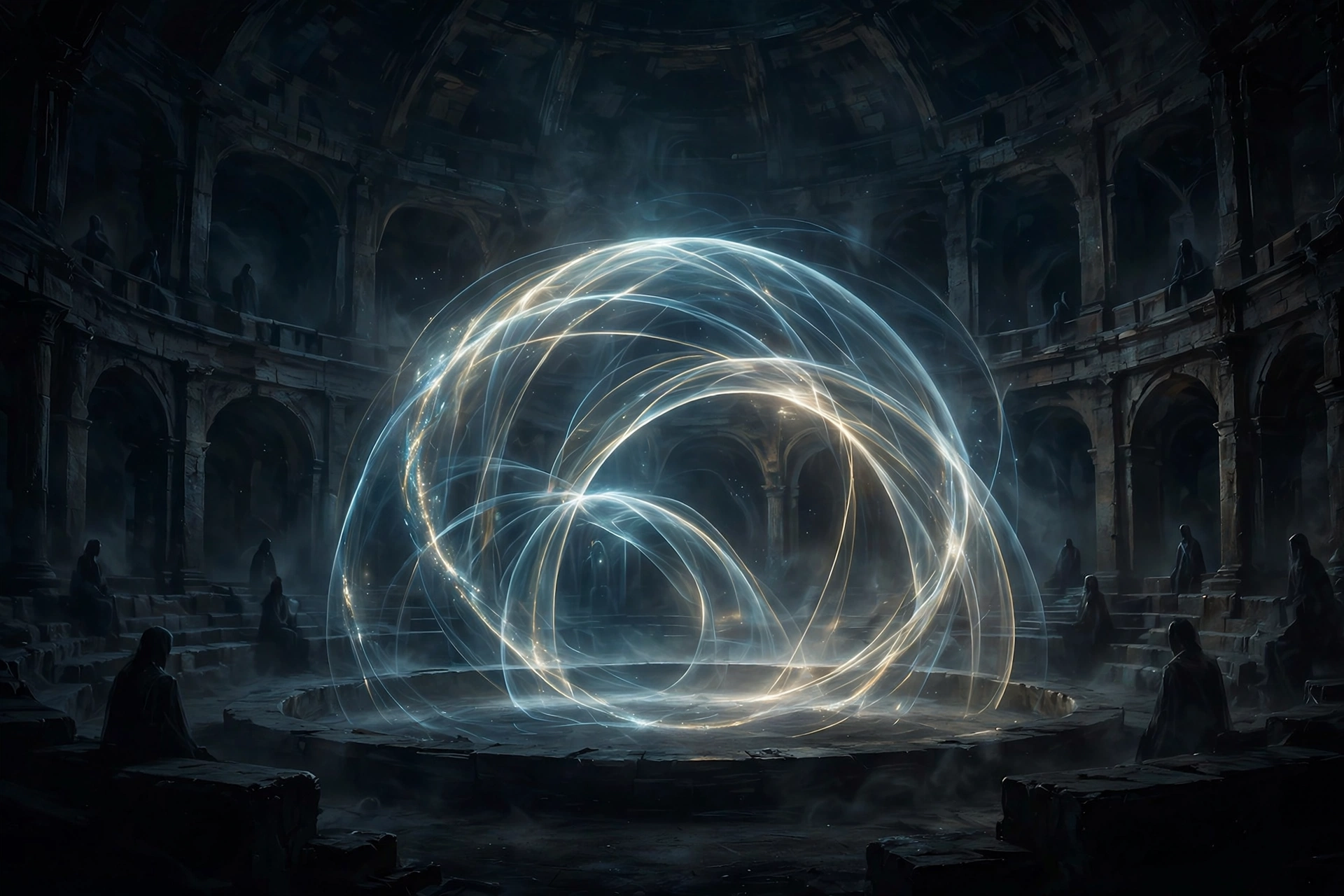 Invisible Woman, switched off on intention before her finite air bubble around the referee could form
Invisible Woman was eliminated by the off switch, landed on intention before the field formed: alive, asleep, unhurt, caught by Diana's hands. Leave, under his own power, by his own choice, with the sleepers' safety sworn by the two people whose words this arena had never caught bending.
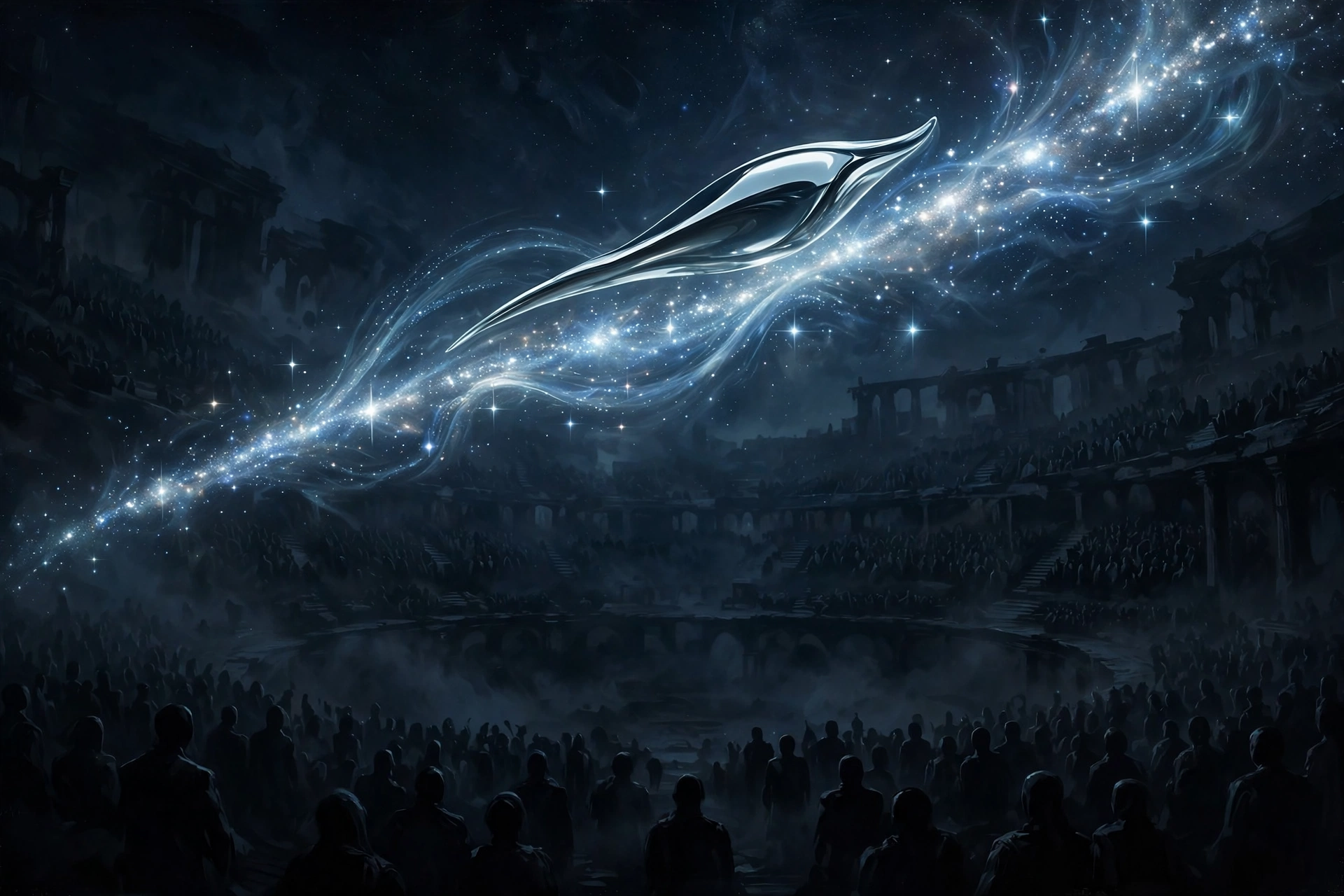 Silver Surfer, self exiled under his own power, beaten by no one and argued out by word and witness
Silver Surfer was eliminated by forced bargain: self exile, under his own power, on Diana's sworn terms and J'onn's witness. Alive, elsewhere, out. He was never beaten in a fight in the endgame.
Diana priced her two routes in the open, to his face: she could close and kill him, the sword the honest way through a Martian, faster to the first wound than anyone left; or he could switch her off from where he stood, and they would learn which of them the arena believed was faster, her feet, or his intention. But intention does not travel, and hers was read at the challenge's first word.
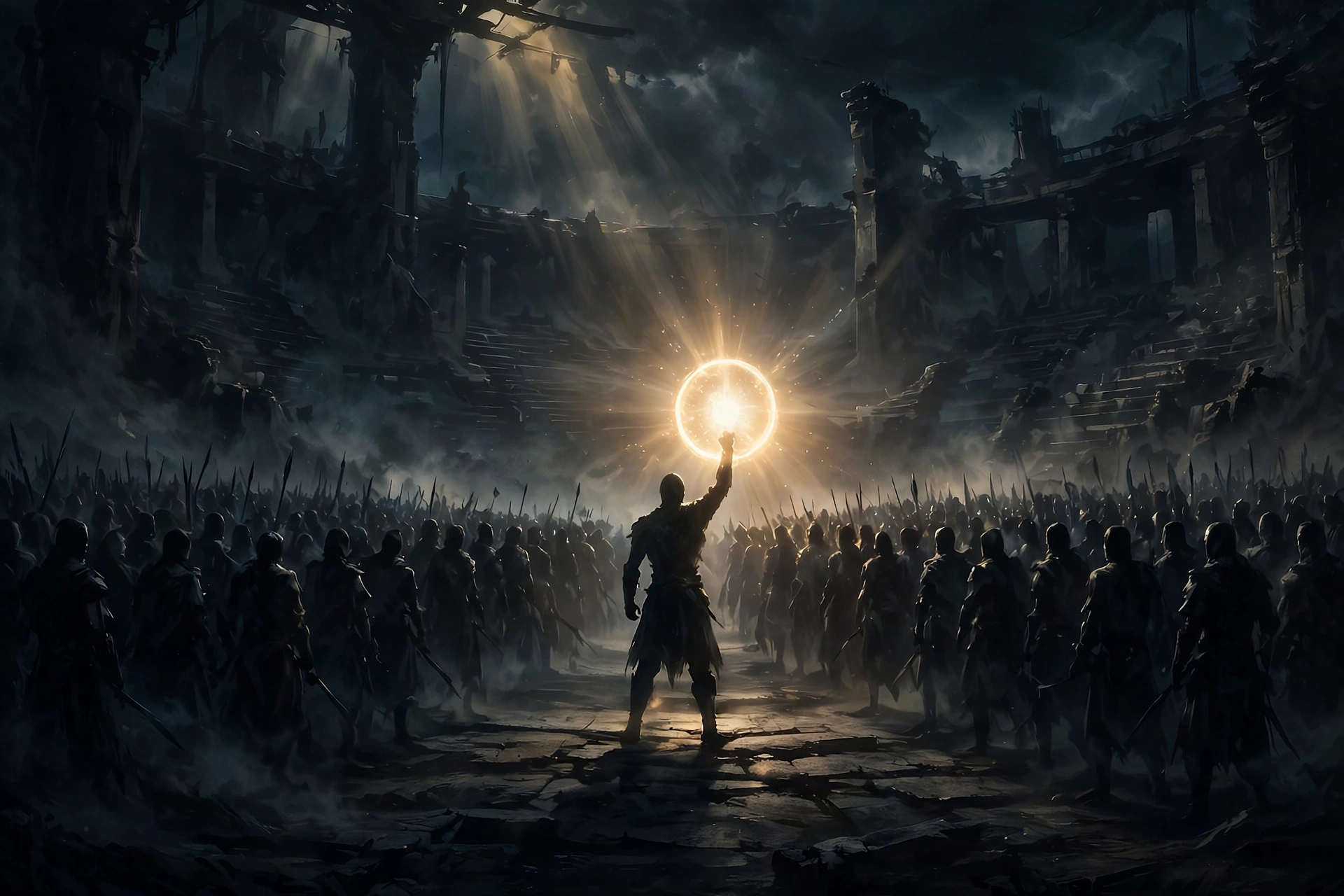 Wonder Woman, eliminated alive at a body length from landing the first wound of the last giant duel
Wonder Woman was eliminated by Martian Manhunter's telepathic off switch, in the last giant duel: alive, asleep, unhurt, her sword arm caught by the referee himself.
Stark's saved alpha strike could finish no giant, so it was fired into the sector J'onn was holding, at full thermal output: a manufactured firestorm, the one environment the Martian body will not stay in.
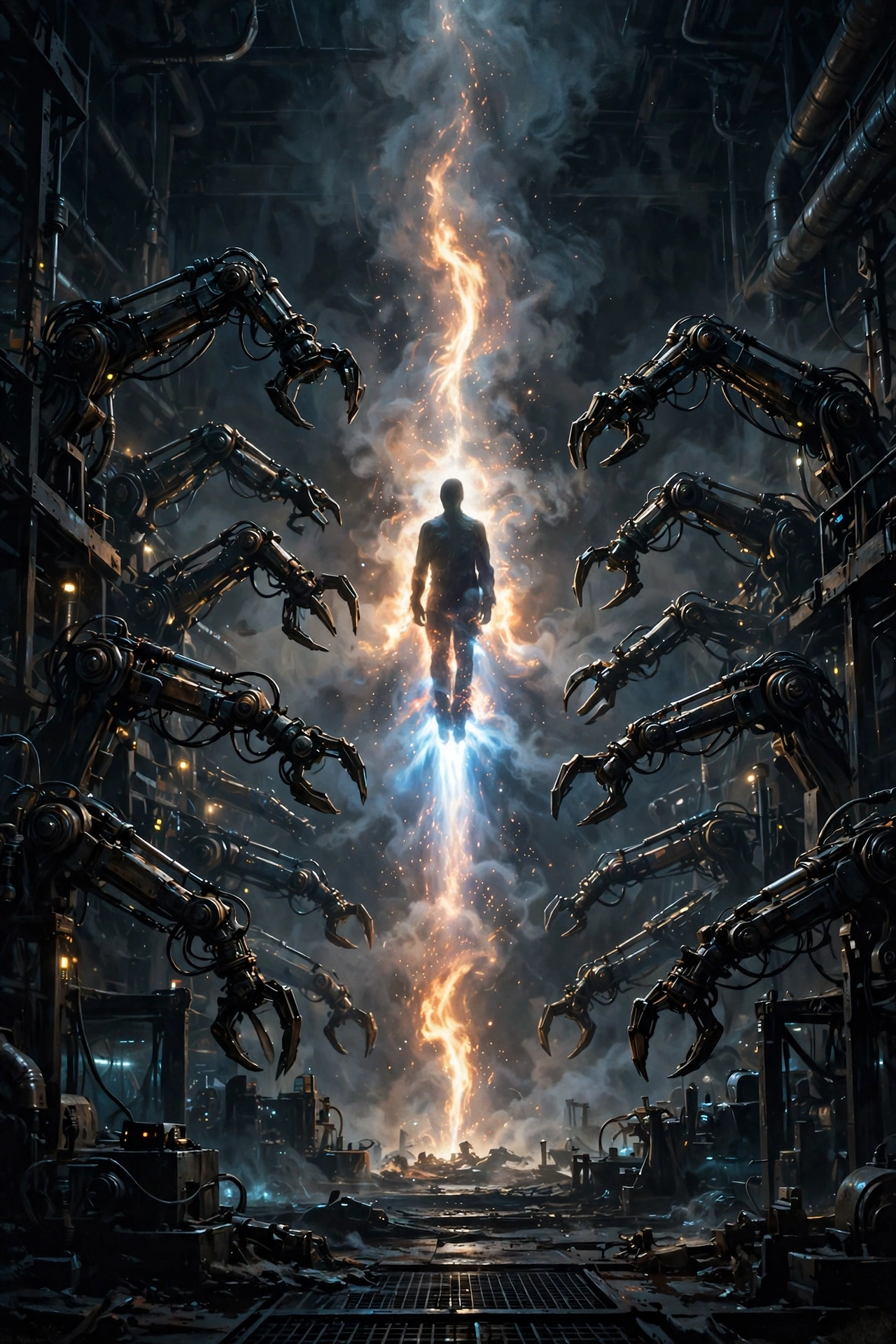 Iron Man, eliminated by his own spend, firing his saved strike as fire into the sector the referee held
Iron Man was eliminated by his own spend, alive and finished. Cyborg made himself the cell, integrating the Firestorm custody into his self repairing chassis.
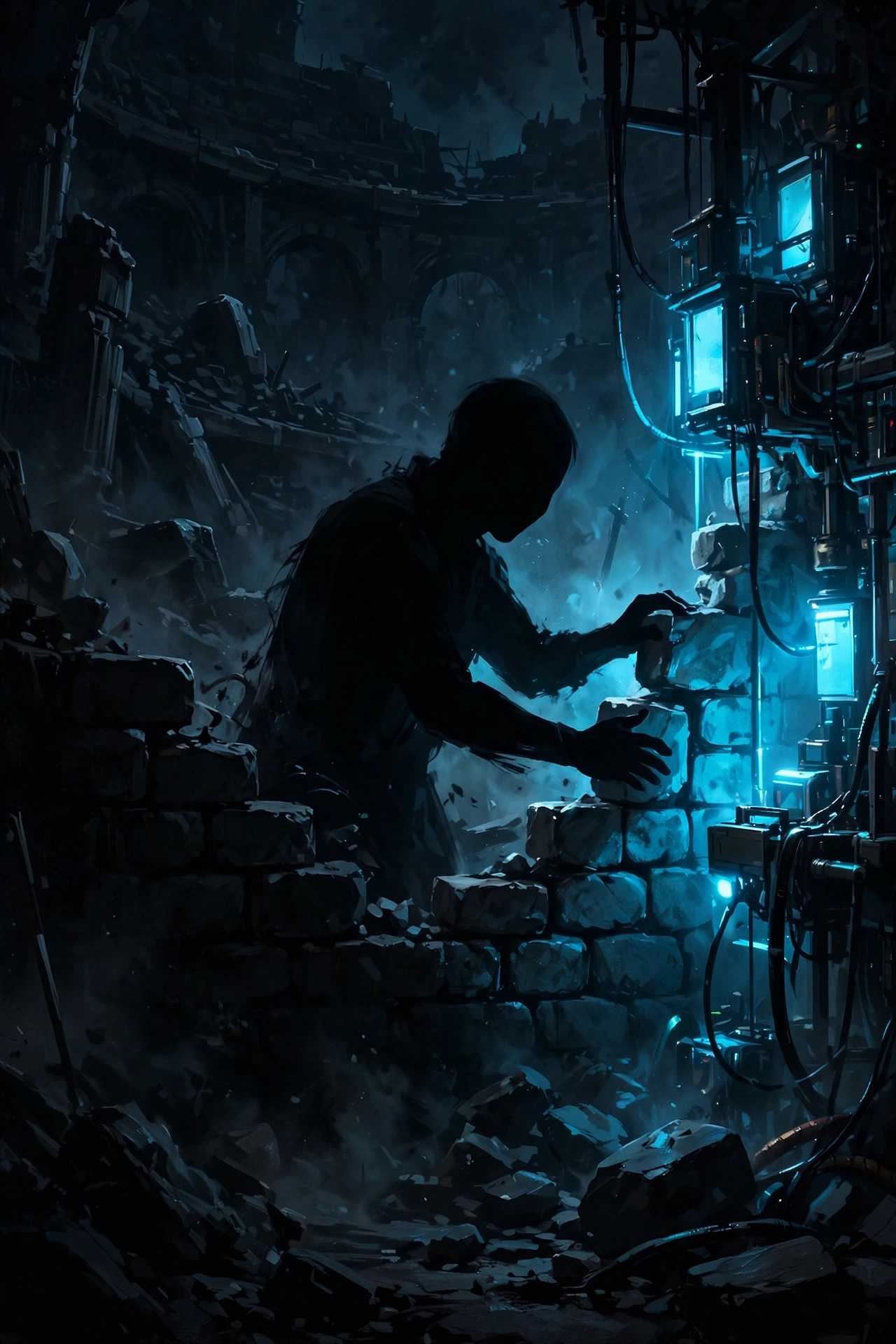 Cyborg, eliminated by self binding, the jailer who became the jail for the sleeping matrix
Cyborg was eliminated by self binding, alive and functional.
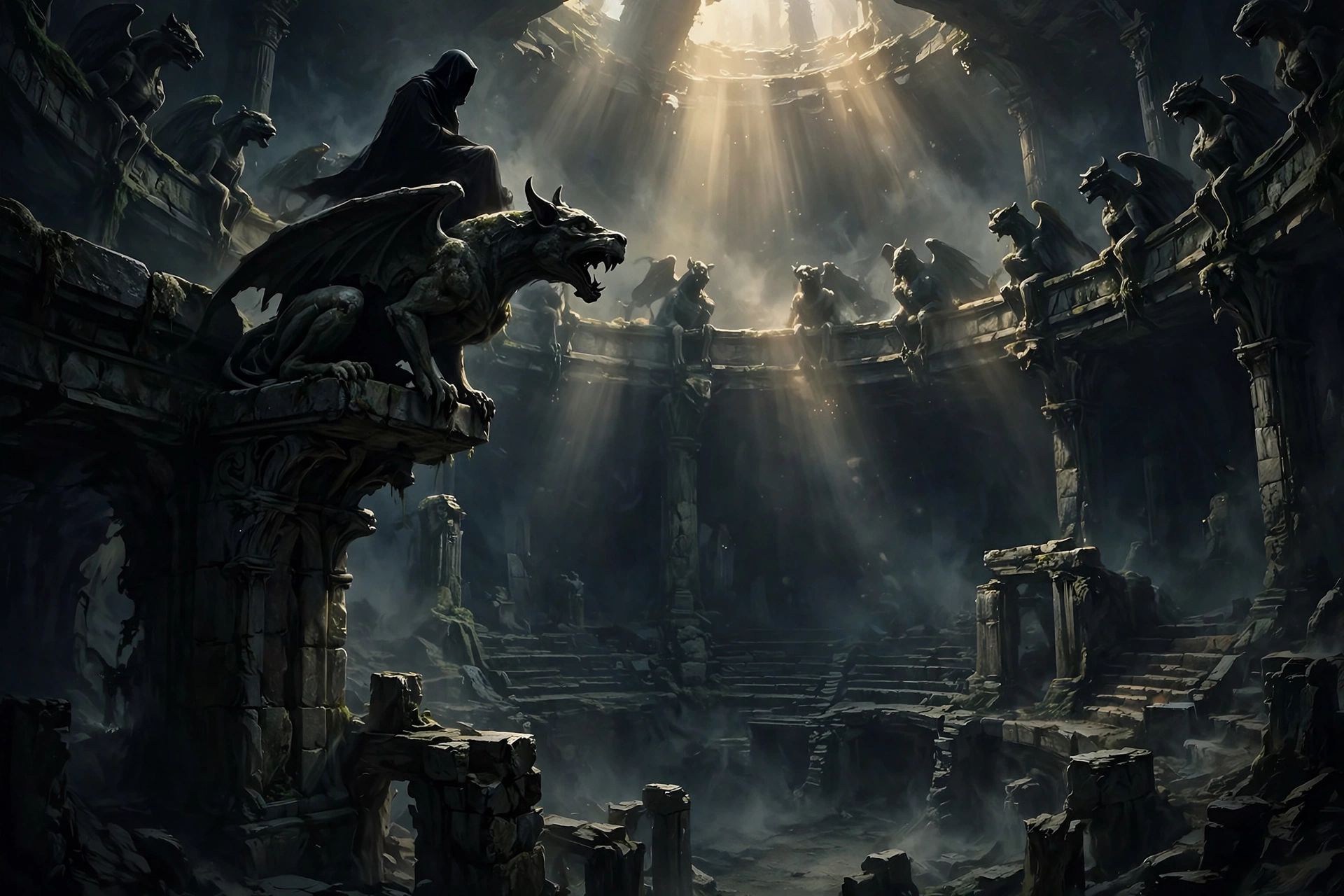 Batman, who sold the field its last map and yielded on delivery under terms he helped price
The price was the terms, and Rogers paid it on the spot, in the commander's word: the held are never spent, not as fuel, not as anchors, not as anyone's price, and the remnant's members end their continuations as yields, not casualties. Panther drafted the terms.
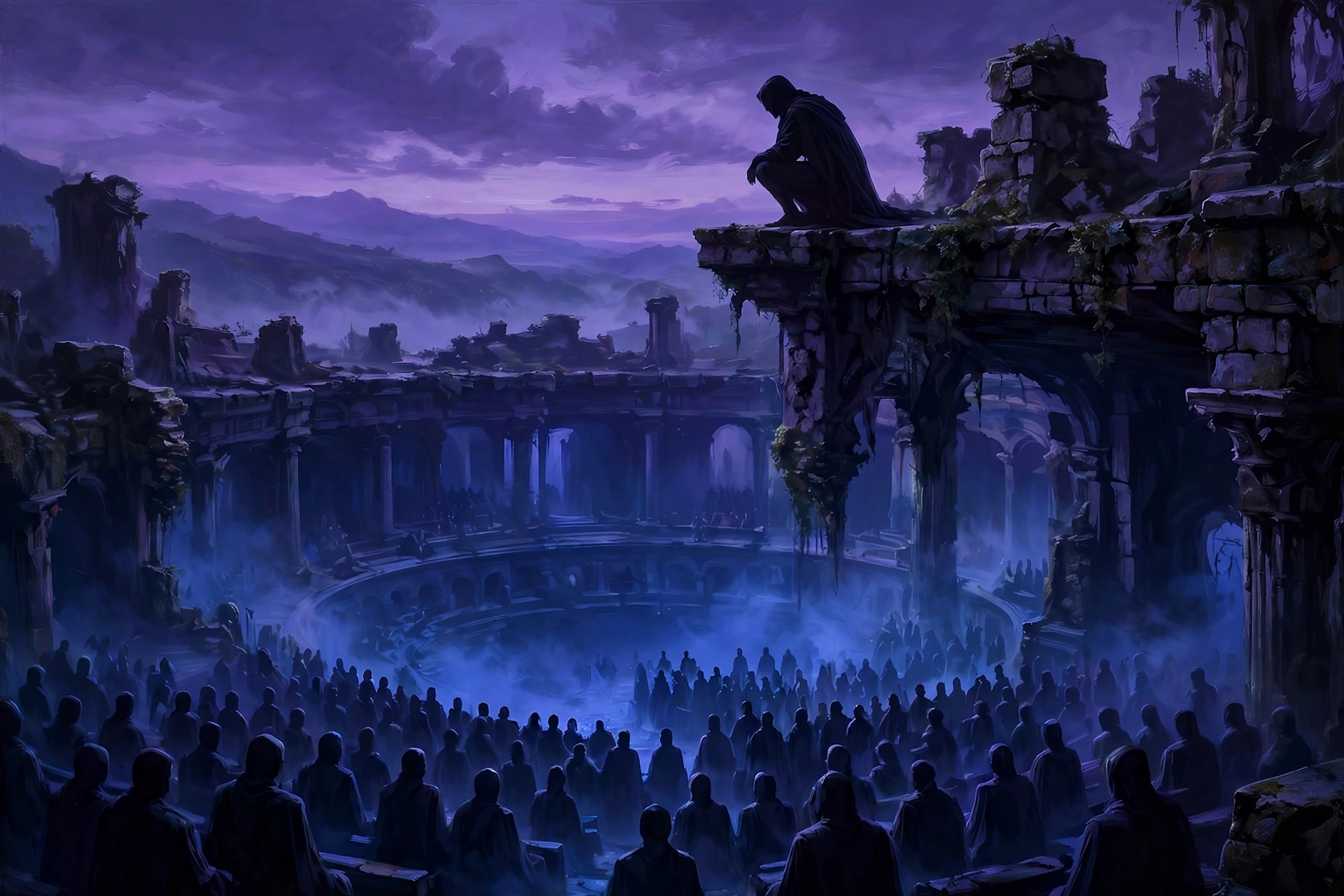 Black Panther, who drafted the settlement terms on which the remnant yielded in its chosen order
The yields ran in reverse order of the offices' founding, each an elimination by forced bargain. Spider-Man took the terms first, his expenditure formalized.
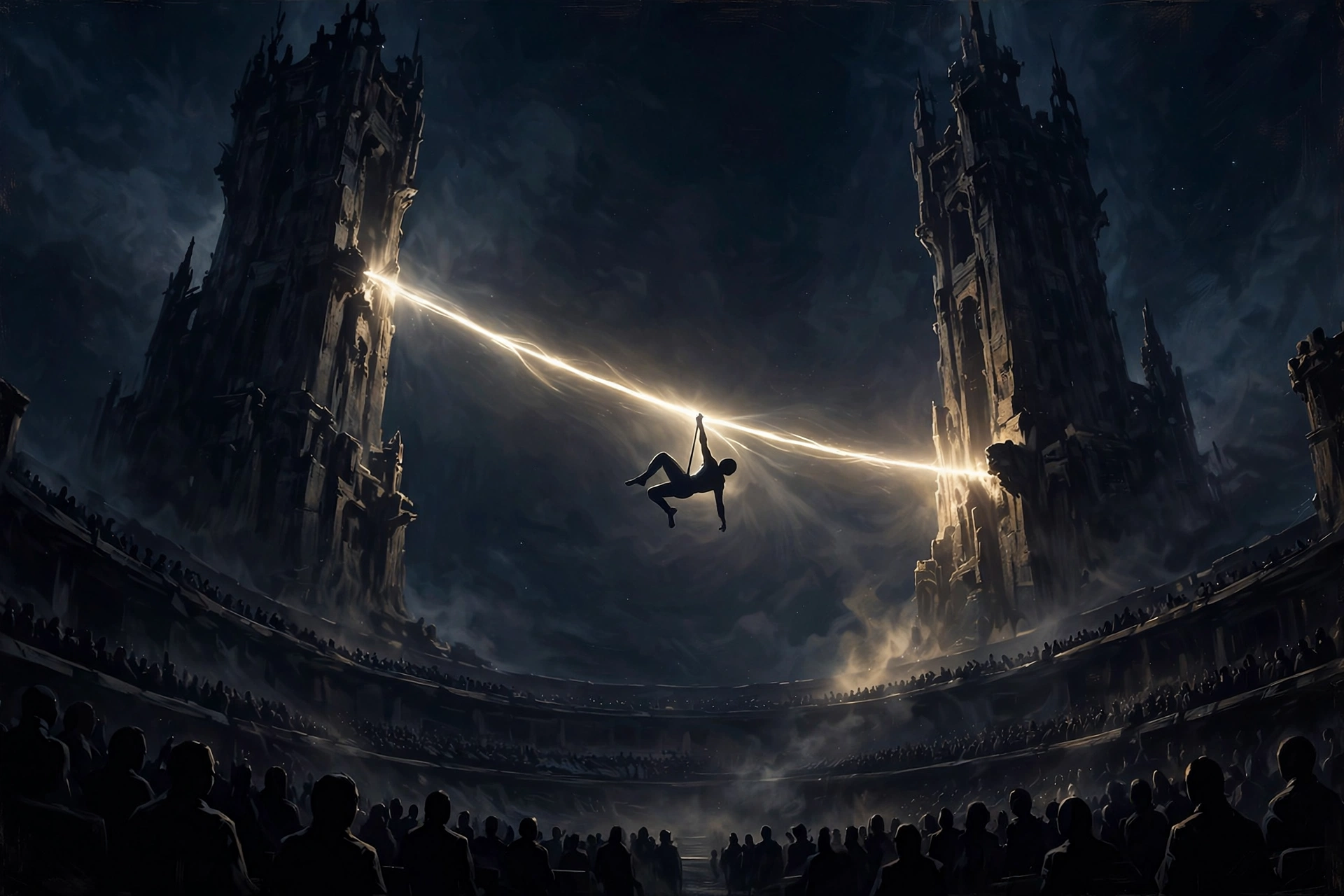 Spider Man, whose last cartridges caught the falling Stark before he took the settlement terms first
Batman yielded on delivery. Panther yielded next, on terms he drafted. The terms stand. Captain America was eliminated by forced bargain, first among the remnant. Then it left, in an order it chose.
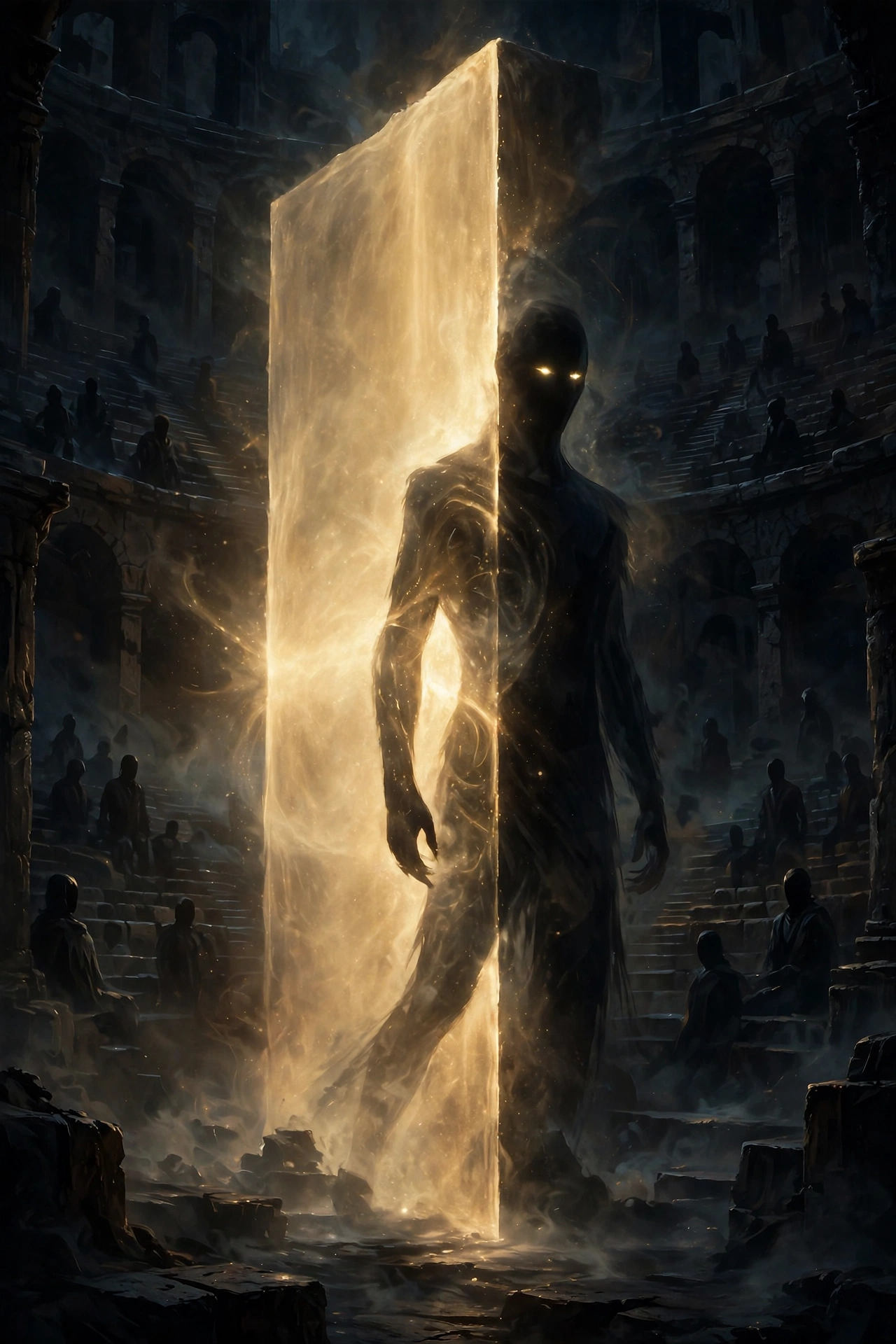 Martian Manhunter, the winner, who switched off the last giant and took the crown with zero kills by his hand
Martian Manhunter wins the Heroes Royale. Five sleeps by his own hand across the endgame, zero kills in the entire royale. He ends holding the Firestorm custody in his own concentration, carrying seven silences.
The verdict and final standings
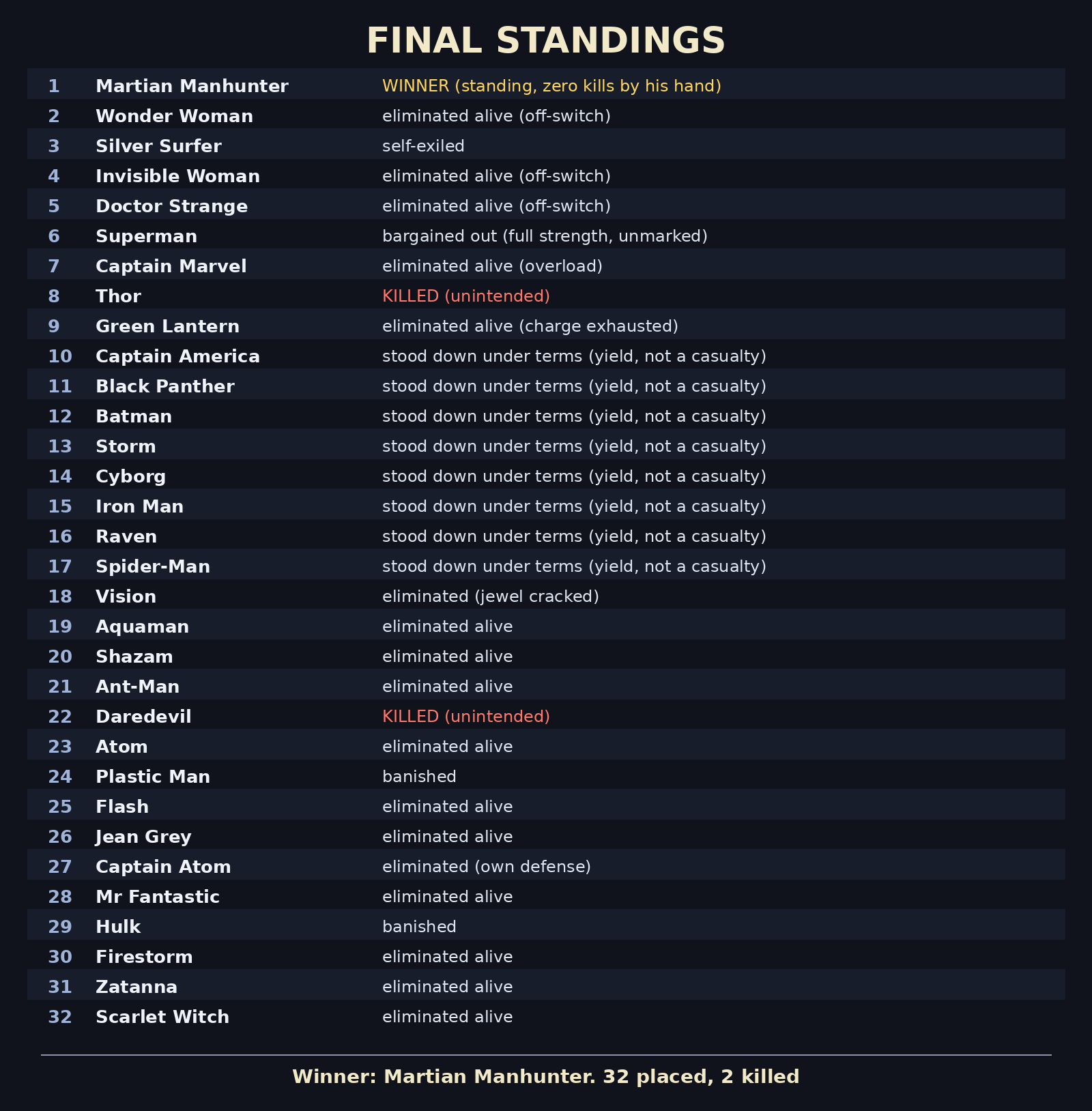
Martian Manhunter wins the Heroes Royale with zero kills by his hand. The final standings, all thirty two, as the record lists them: 1. Martian Manhunter. 2. Wonder Woman, eliminated alive. 3. Silver Surfer, self exiled. 4. Invisible Woman, eliminated alive. 5. Doctor Strange, eliminated alive. 6. Superman, bargained out at full strength. 7. Captain Marvel, eliminated alive. 8. Thor, killed, unintended. 9. Green Lantern, eliminated alive. 10. Captain America. 11. Black Panther. 12. Batman. 13. Storm. 14. Cyborg. 15. Iron Man. 16. Raven. 17. Spider-Man, places 10 to 17 being the remnant bloc, stood down under terms. 18. Vision. 19. Aquaman. 20. Shazam. 21. Ant-Man. 22. Daredevil, killed, unintended. 23. The Atom. 24. Plastic Man, banished. 25. Flash. 26. Jean Grey. 27. Captain Atom. 28. Mr Fantastic. 29. Hulk, banished. 30. Firestorm. 31. Zatanna. 32. Scarlet Witch.
The season bracket board below shows the whole arc on one surface: the full starting lineup in seed order, the exits grouped by round, and the champion at the end of it.
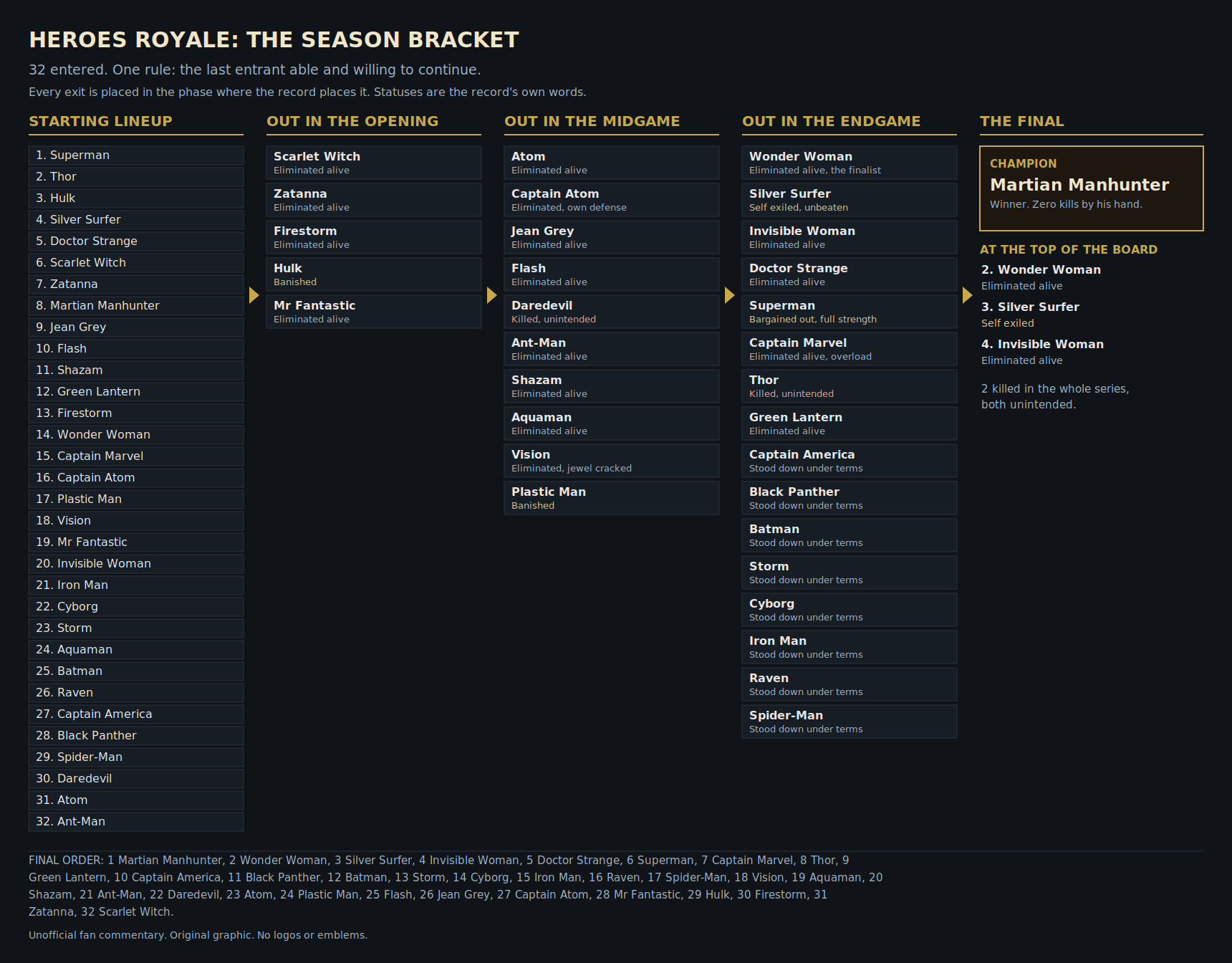
The full board below carries every status.
The contested calls
The record states its falsifier plainly. The crown stands on one spent door. If Strange holds his prepared banishment for the Surfer instead of spending it on Plastic Man, the endgame's first movement binds and exiles the Surfer inside the hour: no duel, no second death, no guilt priced into exile, and no referee's law tested by the sorcerer who would have broken it. A runner up falsifier stands beside it: Captain America accepting the prisoner fuel bargain in the midgame, the offer the coalition refused. Both are stated openly here and left unresolved, exactly as the record leaves them.
What the series showed
Two deaths in thirty two entrants, both unintended by the hands that caused them. Power decided the opening. Organization decided the midgame, and then ate itself. In the endgame, the win condition's exact wording, able and willing, belonged to the entrant whose power was a permanent, non lethal off switch and whose refusal to spend the helpless became the law of the arena. The villains' royale was won by the best prepared bargainer in a field of compulsions. The heroes' royale was won by the field's best referee. Restraint, priced honestly, turned out to be a capability.