

Disclaimer and Rights Notice
This is an unofficial, fan-made work. It is not affiliated with, endorsed by, sponsored by, or approved by Eon Productions, Danjaq, Amazon MGM Studios, United Artists, Ian Fleming Publications, or any other rights holder, and no affiliation, endorsement, sponsorship, or approval should be inferred from its publication.
All characters, character names, and related indicia referenced in this work are trademarks of and copyrighted by their respective owners. This work claims no ownership of, and asserts no rights in, any underlying character, name, or property.
This is a non-commercial work of commentary, criticism, and analysis. It is published free of charge, carries no advertising or sponsorship, and is not monetized in any form. It is offered in the tradition of matchup analysis and literary criticism of published fictional works.
All artwork accompanying this work is original. It depicts no copyrighted character likeness, costume, mask, emblem, logo, or other trademarked symbol, and any resemblance to a copyrighted design is unintended.
If you are a rights holder, or an authorized representative of one, and you believe any part of this work infringes your rights, please contact the publisher. Any material identified as infringing will be removed promptly upon notice.
Highlights
Alec Trevelyan wins the Bond Villains Royale. In the final he beat Red Grant, the man the record had priced from the first day as the winner killer, and he beat him by the counter to Grant's own wire, in the open, after surviving that same wire once earlier in the royale.
The finalists and the close finishers tell the shape of it. Grant was the last man killed. Franz Sanchez and May Day were still standing at the close, Sanchez holding the ledger with a ruined hand and May Day unhurt beside the table. Ernst Stavro Blofeld and Rosa Klebb left alive, eliminated by accepted bargains on Sanchez's settlement paper.
The decisive numbers are these. 24 entered. 19 were killed. 2 were bargained out alive. 3 were standing at the close.
The one line verdict is simple. The royale was won by the man who survived his own priced death, studied the sequence that nearly killed him, and was still able and still willing when the last procedure ran out of steps.
The study
The Bond Villains Royale took the projected constraints experiment out of the superhuman arena and into a human one. Twenty four villains from the Bond films entered a bounded arena. Nobody had powers. Everybody was mortal. And the arena confiscated the thing most of them actually are: no armies, no organizations, no minions, no lairs, and no fortunes. Each entrant kept only the person and their standard personal gear, a golden gun, a steel rimmed hat, a garrote watch, a poisoned shoe, a pair of metal teeth.
One more absence shaped the field. James Bond is not in the arena. Every card in this edition was priced with that hole in it, because several of these people are, in the films, built around one man's attention. Take the man away and some of them shrink. Others, the record found, become more dangerous, because nothing is left to distract them.
The win condition was the same as the other editions: the last entrant able and willing to continue, with accepted bargains and surrenders counting as finishes.
The framework
This is a serious scientific study. That sentence is meant plainly. The subject is fun, twenty four film villains in an arena that could never exist, and the framework applied to it is serious: a serious framework applied to something fun, with the rigor kept and the play kept, and neither apologized for.
The framework is projected constraints, and it works as an anti bias mechanism in five parts. First, cards are priced only from what each entrant demonstrably does in the films. If a man never does it on screen, his card does not have it, however famous his reputation or however much a reader loves him. Second, compulsions are treated as hard constraints, priced exactly like a damaged weapon or a missing limb. A need to perform, a need to duel properly, a loyalty that outranks survival: these are not color, they are load bearing limits. Third, every entrant is played at perfect optimization within character. Nobody is played stupid to make a result happen, and nobody is played out of character to make one happen either. Each man and woman runs the smartest version of their own game that their own nature allows. Fourth, one win condition is applied uniformly to the whole field, last entrant able and willing to continue, with no special cases carved out for favorites. Fifth, contested calls and falsifiers are published openly, in this article and in the record behind it, so a reader who prices a call differently can see exactly where the result would change.
Because of those five parts, the outcomes follow from the measured capabilities and constraints under uniform rules, the way a physics result follows from its inputs, not from anyone's favorite. What is measured here is human capability, craft, nerve, and gear, not powers.
The field
The twenty four: Ernst Stavro Blofeld, Auric Goldfinger, Dr. Julius No, Francisco Scaramanga, Le Chiffre, Raoul Silva, Lyutsifer Safin, Alec Trevelyan, Max Zorin, Karl Stromberg, Hugo Drax, Elliot Carver, Franz Sanchez, Emilio Largo, Mr. Big, also known as Dr. Kananga, Rosa Klebb, Red Grant, Oddjob, Jaws, Baron Samedi, May Day, Xenia Onatopp, Renard, and Elektra King.
Stripping the organizations changed what a card had to measure, and the field split in two. Nine entrants were instruments: killers and enforcers whose value walks into the room with them. Fifteen were principals: chairmen, bankers, industrialists, and brokers whose power normally lives in other people's obedience. Disarmed of their machines, the principals had to trade in what was left, information, reputation, nerve, and the ability to write terms other people would accept. The arena became a market as much as a fight, and the study priced both.
The loyalty geometry sat inside that split like a fault line. Oddjob serves Goldfinger. May Day serves Zorin. Renard's will belongs to Elektra King. Grant and Klebb are a spymaster and her product. Jaws was discarded by Drax and employed by Stromberg. The principals who built their power on instruments now shared a room with them, unprotected.
Round one: the audit
The audit fought nobody. It did something colder: it priced all twenty four, card by card, from film canon, using the strongest consistent portrayal where a character returns across films.
The audit seeded four killers, Scaramanga, Trevelyan, Silva, and Grant, and five instruments, Jaws, Oddjob, May Day, Xenia Onatopp, and Renard. It seeded seven principals, Blofeld, Goldfinger, Zorin, Sanchez, Largo, Dr. No, and Safin, and seven disarmed, Stromberg, Drax, Carver, Kananga, Klebb, Le Chiffre, and Elektra King, entrants whose canon power was almost entirely positional, now holding a person, a signature object, and their wits. Baron Samedi stood unseeded, for reasons that became the round's central problem.
The first finding was that the audit itself is a weapon in this edition.
The second finding was that signature weapons are single shot arguments. The golden gun carries one bullet. Klebb's shoe works once, at point blank range, on a man who has already decided she is harmless. Oddjob must retrieve his hat on a path everyone can predict. Safin's poison needs time and an object that understands it.
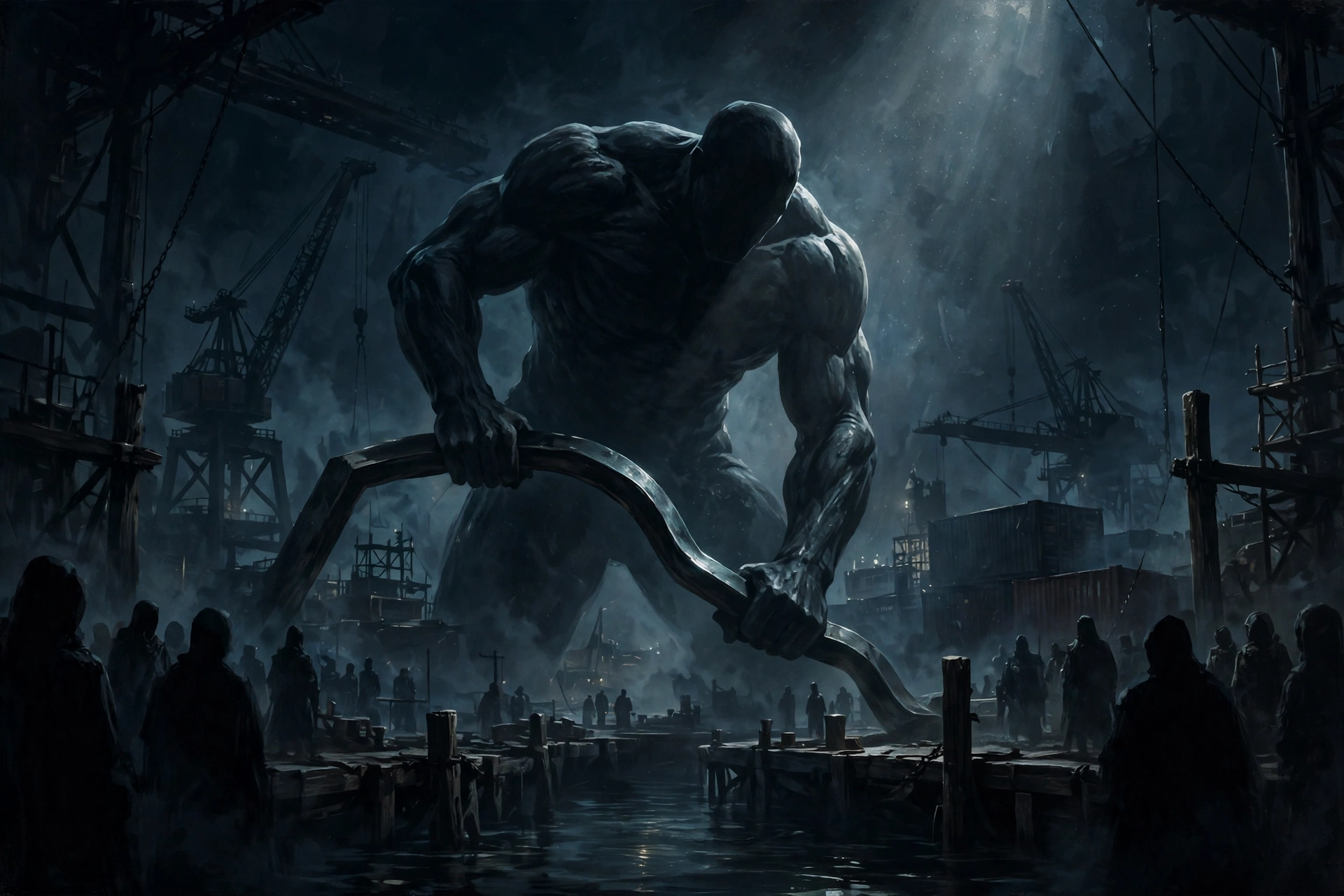 Jaws, priced in the audit as a terrain condition, a man no single entrant could out damage in a fair exchange
Jaws could not be out damaged in a fair exchange by anyone in the field. Every canon defeat on his card is environmental, a trapdoor, a current, a height, a magnet. The audit therefore refused to price him as a rank and priced him as ground: first in a corridor, declinable in the open.
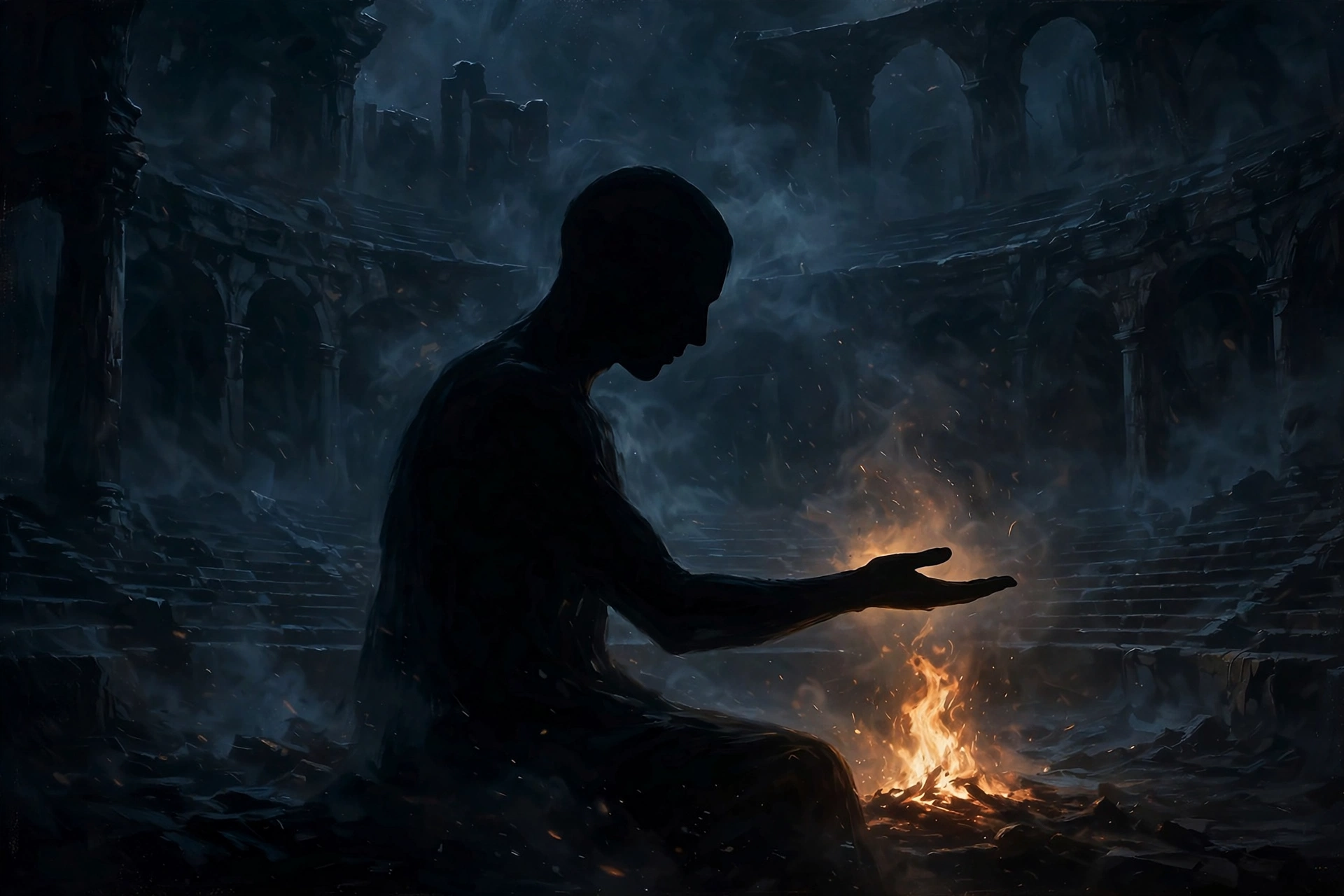 Renard, priced in the audit as a man who cannot feel pain and cannot feel damage either, running on a bullet's own schedule
Renard's card cut both ways in the same paragraph. He cannot feel pain, so he cannot be hurt into compliance, and he functions through damage that removes ordinary entrants.
Then the audit reached the man it could not finish pricing.
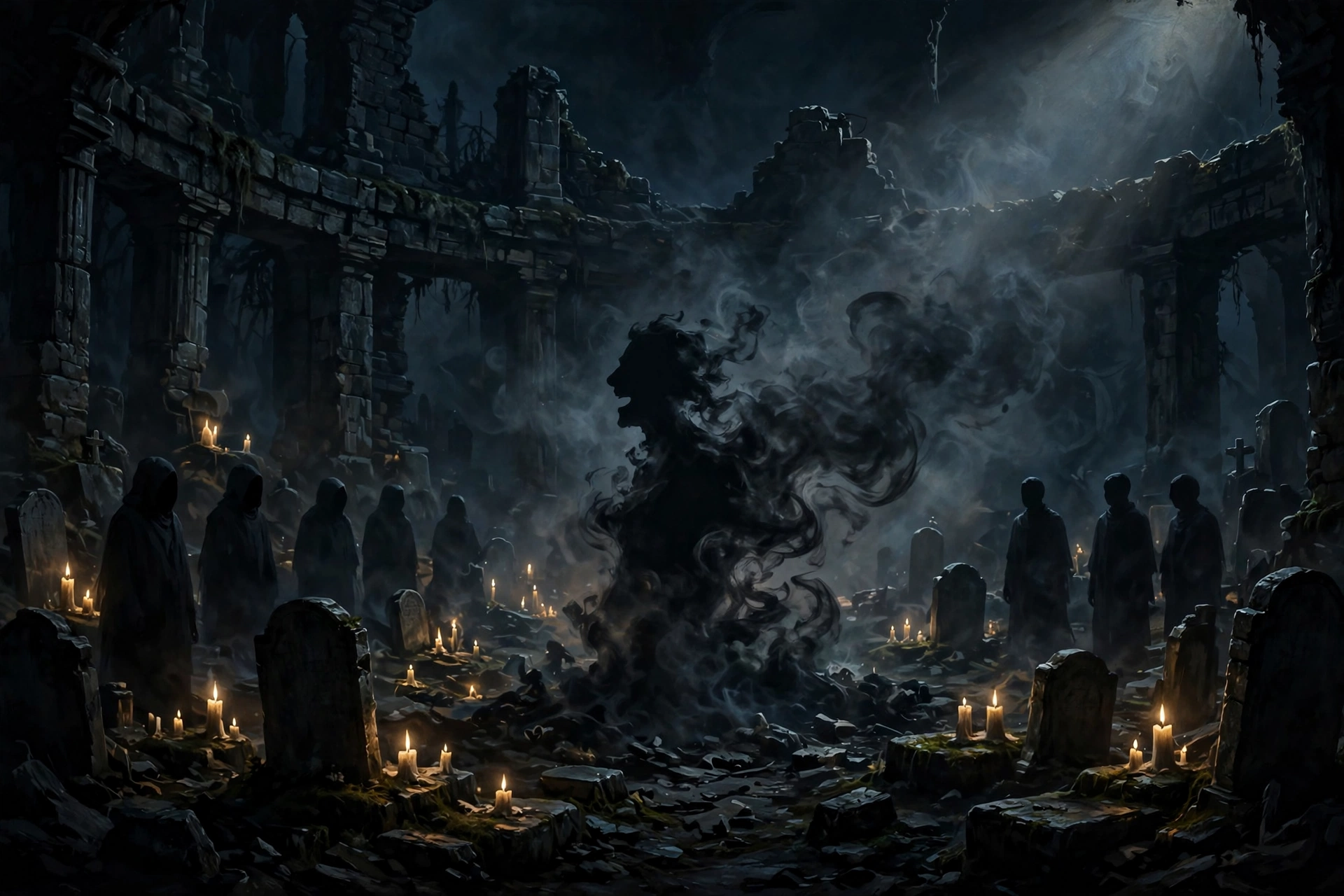 Baron Samedi, priced in the audit as the edition's unkillable problem, a death that could not be verified
The edition's unkillable problem, at human scale, was not a person who could not die. It was Baron Samedi, whose death could not be verified, and whose act made every ledger that recorded him unreliable. On the priced card he is a mortal showman with a magician's survival apparatus, and finishing him is not a damage problem at all. It is a verification problem. The audit named the field's answer in advance: Grant, whose tradecraft is checking pulses and confirming kills past the point of drama. The audit closed with all 24 standing and one name already carrying an asterisk the whole royale would eventually have to pay to clear.
Round two: the tiers
The tiers asked the only question that matters among mortals: who can kill whom, and at what range. The nine who can personally kill formed three range regimes that counter each other in a circle.
Two men stood outside the circle because they operated in all three regimes, and the tiers separated them by format. Heads up, in a duel, Trevelyan's discipline beats Silva's theater: Trevelyan is the colder instrument, prime body, no damage, a grievance with no object in the arena. Across 24 entrants, Silva's information warfare and staged chaos kill more of the field, until it gets him killed by the man who will not sit for the performance.
The corrections mattered as much as the order. May Day was moved from instruments to killers, the seeding's clearest misprice: the most complete fighter in the nine, with no gimmick weapon to lose and a loyalty that is personal rather than ordered.
 Red Grant, named in the tiers as the winner killer, with Alec Trevelyan priced as his likeliest victim
Grant took the split rating that decided the royale. First from ambush, mid pack in the open. The spoiler list closed the stage by naming the entrants who could not win and would decide who else did not, and Grant sat at the top of it: the winner killer, a man with no endgame of his own whose optimum is a single garrote from behind on a tired winner, aimed by the record at Trevelyan as his likeliest victim. Both 00 men beat him in a fair fight. Denied the fair fight, he beats either of them, because Trevelyan's own card concedes that Grant's ambush discipline is better than his counter ambush discipline.
The tiers then built the buyability table, which principals could purchase which instruments, and priced the survival math of the first hour. Scaramanga was not buyable, except that a principal could rent his bullet once by naming the right target. Silva was unbuyable, and the buying was the danger, because a principal who hires him has handed a saboteur inside access. Grant was buyable in principle with no currency available, a perfect instrument whose handle nobody could grip, except through a payment shaped object and a plan shaped order. Jaws was the most buyable man in the nine, because his loyalty turns on standing rather than money. Oddjob was not on the market at all. May Day was buyable exactly once, by evidence. Xenia was buyable by sponsorship and retained by nothing. Renard was not buyable at all, because his will was already mortgaged.
 Elektra King, priced in the tiers as disarmed until one conversion closes, with Renard's mortgaged will as the conversion that mattered
Elektra's card was the market in miniature. She entered disarmed, the field's softest target and visibly its most dangerous talker, and her whole price turned on one conversion: winning Renard in the arena into the shield and sword package her hold on him could field. The tiers priced the pair, if the conversion closed, as a single entrant with two bodies, one of which is a detonator. They also priced her tax in advance, in her own file: she must survive the first hour, and in any endgame she reaches, she must not stop to tell the loser the whole design. Canon says she will want to. The record kept that line where the endgame could collect it.
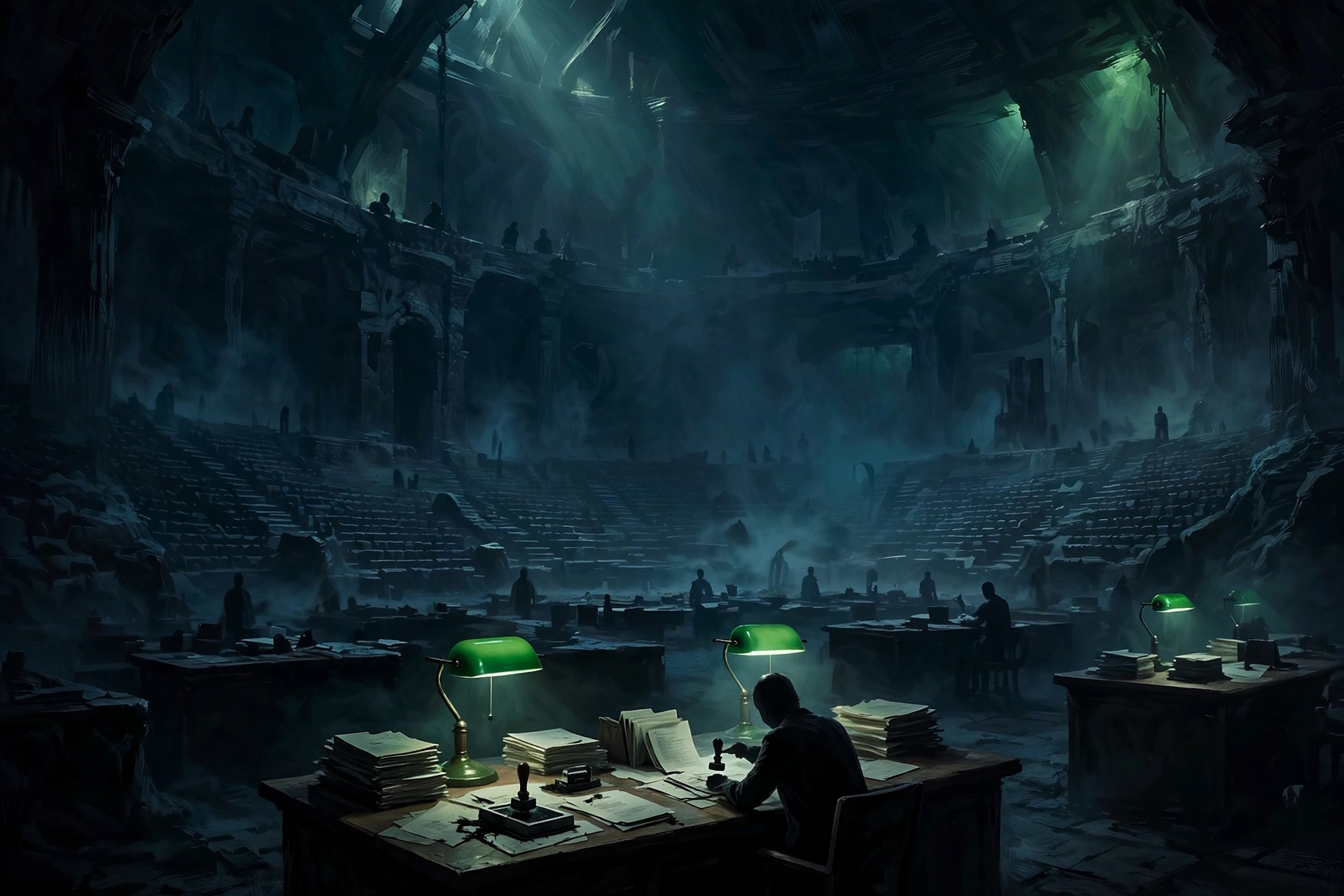 Rosa Klebb, priced in the tiers with one poisoned shoe, one use, and Raoul Silva named as its target
Klebb closed the tiers with the round's most quietly consequential pricing. And the tiers named her shoe's target in writing, Silva, the one man whose compulsion would one day hold him at point blank range in front of her, performing.
Round three: the opening
The opening lasted ten minutes and killed three men, and its first lesson was refusal. The professionals in the nine did not spend the first minute brawling. They spent it leaving. Grant was gone before most of the field finished its first look around, walked at an unhurried pace into the arena's service geometry to find the chosen ground his whole method must be built on. Scaramanga did the opposite of what the field expected: no draw, no shot, no flourish, a charming man standing where sightlines are long, letting the golden gun stay a rumor, because the tiers had priced the bullet's value as compounding unspent. Trevelyan and Silva moved like men reading a document, flanks and exits noted, each other's position noted most carefully of all.
At about twenty seconds the giants took their ground. Jaws walked slowly and in the open to the arena's most enclosed defensible space, a service corridor with a single doorway, and stopped inside it, a terrain condition with an address. Oddjob mirrored him at smaller scale at the door of a side room Goldfinger was already retreating into.
 Elliot Carver, killed in the opening at about forty seconds, shot by Xenia Onatopp while framing the event aloud
The first death came at about 0:40, from a priced constraint doing exactly what it said. Carver started producing. Xenia's optimum was already written: hunt the field's talkers and principals early with the rifle, and save the intimate game for later. Carver was the talker class in its purest form, a slight untrained body that cannot survive her first resort, standing in the open composing.
 Karl Stromberg, killed in the opening seconds after Carver, shot by Silva with a pistol
Seconds later, at about 0:55, Silva shot Karl Stromberg. The tiers had priced Stromberg as the field's first corpse if no one bought him: frail, stationary, with a range of a conversation, his only play selling a strategic mind to a buyer who had to choose the deal over the bullet while faster transactions were available. Nobody bought. Two of the disarmed were gone inside a minute, both to the exact mechanism their cards had published.
The prediction's miss is the opening's most instructive event. The tiers had Klebb dead in the first minute too, third name in the cull, unless she reached Blofeld's shadow in the first ten seconds. She reached it. Career gravity had her walking before the bell finished, Blofeld's optimum fixed him in place early, and the woman priced as the opening's third corpse became furniture in the chairman's shadow instead, carrying the field's only poisoned shoe toward an endgame it had already been scheduled for.
 Emilio Largo, killed in the opening at about six minutes by Oddjob, on Goldfinger's order
At about 6:00, Oddjob killed Emilio Largo, on Goldfinger's order. The tiers had named this exact victim for the door: a principal class body with real marksmanship who must enter the room to use it, against the best room in the field. The kill also proved the loyalty geometry in its first direction: at least one instrument contract still functioned in the arena, and it functioned because Goldfinger's asset was never on the market and never revisable. The door had a victim, the owner had demonstrated enforcement, and every principal in the arena repriced Goldfinger's room accordingly.
 Xenia Onatopp, who fired the opening's first shot and took its first kill, hunting talkers with the rifle as her card prescribed
At about the six minute mark Samedi died, except that he did not. The death was staged, on the second burst of edge fire, witnessed mostly by his own operator, and the man walked off the ledger. The audit's asterisk was now live in the arena: one entrant entered as dead, unverified, walking unwatched, holding a hesitation weapon that works best while nobody wants to spend the price of certainty.
The rest of the opening was contracts. The first agreements were written while the corridors were still loud, Blofeld drafting, Sanchez guaranteeing, Le Chiffre vetting, because the market slice of the field understood that the settlement layer had to exist before the midgame needed it. Elektra began her conversion race. The opening closed with 20 standing on the ledger, 3 killed, and 1 off the ledger and walking.
Round four: the midgame
The midgame killed eight more and left thirteen standing, and it opened where the tiers said it would: at the service corridor, with the field's logistics problem standing in the only doorway that matters. Silva rigged the corridor itself, a conductor path through standing water and steel, delivered at the teeth. The teeth took the current. The placement did not kill Jaws, and his card never said it would. It moved him, off his ground, enraged and visibly hurt for the first time on the record, into open ground where he was no longer a condition, only a very large and very strong man.
 Francisco Scaramanga, who spent his one bullet in the midgame on Jaws, the substitute masterpiece the corridor fight put in front of the whole field
That conversion was what the bullet had been waiting for. Jaws, off his ground and hurt, was the one entrant every coalition needed dead and no coalition could afford to kill, and the duelist's code and the professional's optimum pointed at the same man at the same moment. One gold bullet, at range, placed in the head. The bullet was spent at maximum value, and Scaramanga retired from the moment as a first class professional with an empty signature weapon the field still had to price as if it were loaded.
 Oddjob, killed in the midgame on the hat retrieval path, shot by Trevelyan from ground prepared since the opening
The door fell next, by the play the tiers had published and Trevelyan had banked since the opening. The hat was thrown, and took the bait's cover apart as designed, and Oddjob, loyal and professional, his whole method a closed loop of throw and retrieve, walked the path he had walked all his life to take his weapon back. The path was known. The time was known. Trevelyan, who had paced it in the opening, was already sighted on it. Oddjob died on the retrieval path, killed by the published shape of his own excellence, the only way he was ever going to be killed.
 May Day, who defected in the midgame on evidence, to Zorin's face, and took her independence to the settlement table
May Day's audit concluded in the midgame, the way her canon arc said it would. Shown credible evidence that Zorin priced her as expendable, she defected on the spot, to his face, without killing him, and took her independence to Sanchez's settlement, her judgment not for sale and her enforcement available exactly once, to the side whose evidence she believed.
Xenia chose the rematch she had declined once, and May Day collected the appetite tax at contact range. Xenia died to the constraint her card had conceded in writing.
 Hugo Drax, killed in the midgame by Safin's poison, after walking uninvited into the poisoner's room
 Max Zorin, killed in the midgame by Safin's poison, expelled and unowned, guarded against the wrong vector
Safin worked at the other tempo entirely. In the midgame the patience collected twice. Drax died by Safin's poison, a man who could not stop designing amusing deaths aloud, pruned by the one entrant who could not leave that classification unanswered once Drax walked into his room uninvited. Zorin died by Safin's poison too, expelled and unowned, guarded against the fighter's attack while the poisoner's vector arrived on schedule.
 Lyutsifer Safin, the midgame's identified poisoner, named openly by Blofeld after his poison took Drax and Zorin
 Auric Goldfinger, executed in the midgame by Sanchez under contract, for forging Sanchez paper
Goldfinger died a contract death, the midgame's clearest statement of what this arena actually was. Sanchez executed him personally, because a guarantor who lets his own paper be forged has no paper. Goldfinger died for counterfeiting, a capital statute in this arena with exactly one enforcement officer.
 Mr. Big, also known as Dr. Kananga, who killed Dr. No in a midgame corridor grapple where the metal hands failed
 Dr. Julius No, killed in the midgame in that same corridor grapple, his metal hands failing on a smooth surface under full load
Dr. No died the death written into his body. His fortress play depended on the field coming to him, and the field simply ignored the fortress until irrelevance drove him out of it, into a corridor, into a grapple with Kananga, where the metal hands that were his strength met a smooth surface under full load and failed, exactly as his card's failure mode described.
Renard arrived in the midgame as Elektra's completed conversion, the shield and sword package the tiers had priced as one entrant with two bodies, and he was spent the way mortgaged men are spent. Elektra spent him, and Sanchez killed him, and Sanchez's hand was ruined in the settlement of it.
Grant's midgame was the mirror of all this motion. Aimed exactly once, through Blofeld's and Klebb's residual SPECTRE claim, with a payment shaped object and a plan shaped order, he took the payment and executed the script on Trevelyan, and the script expired mid execution, because Le Chiffre had vetted its shape and Sanchez had moved his partner. Grant reached a warned man in company, broke off cleanly, and kept the money, and Trevelyan carried the garrote's partial work as his second wound. And Samedi, unwatched as ever, spent his inattention on a laugh at the corridor that saved his operator, and came back on the ledger: alive, location unverified, his verification problem now the endgame's deferred question, with Grant in the field. The midgame closed with 13 standing.
Round five: the verdict
The verdict gathered the thirteen at a final table, under guarantee, precisely so that all surviving principals would attend it, and the settlement collected everyone.
 Le Chiffre, the vetter whose book caught the counterfeit twice, killed first at the final table, poisoned by Safin in his seat, mid game
Le Chiffre died first, poisoned by Safin in his seat, mid game. Safin's patience out waited the recursion the tiers had priced into the banker's card, and the poisoner collected the one man whose arithmetic kept the table honest.
Grant did the endgame's quiet work next, at the price of his invisibility, spent openly this time on kills of his own choosing. He killed Kananga, whose corridor and whose foresight both ran out in the small ground of the endgame. He killed Samedi, verified dead in an open procedure this time, with witnesses and time and a checked pulse, the audit's named answer to the verification problem finally applied in full, and the staged death of the opening answered by a real one the ledger could close on. And he killed Scaramanga, testing the empty gun the only way his method ever tests anything: not in a duel, never in a duel, but at parley range, from behind, in the manufactured closeness of the settlement's own traffic. The endgame's collapsed distances landed the coin on Grant's side.
Safin died under May Day's one hire.
 Raoul Silva, killed in the mirror duel by Trevelyan, after Klebb's poison set his clock and his performance compulsion spent his winning position
Silva delivered the endgame's most dangerous product, a true doubt, the Trevelyan pact read against May Day's spent hire and the guarantor's ruined hand, and with the vetter dead there was nobody left who could catch it. Klebb's poison shoe, its target named back in the tiers, found him as he performed, because performance is his compulsion and an unwitnessed victory is ash to him. The poison did not kill him at the table. It scheduled him. The duel's hinge was his performance fraction: he composed the finish for the one qualified witness instead of taking the efficient one, and Trevelyan collected it. Theater is a tax. In the duel, the colder man does not pay it.
Elektra made Trevelyan hesitate, the edition's second recorded hesitation, and spent the hesitation on one last line instead of the exit, and died for it, killed by Trevelyan at conversational range, mid reveal.
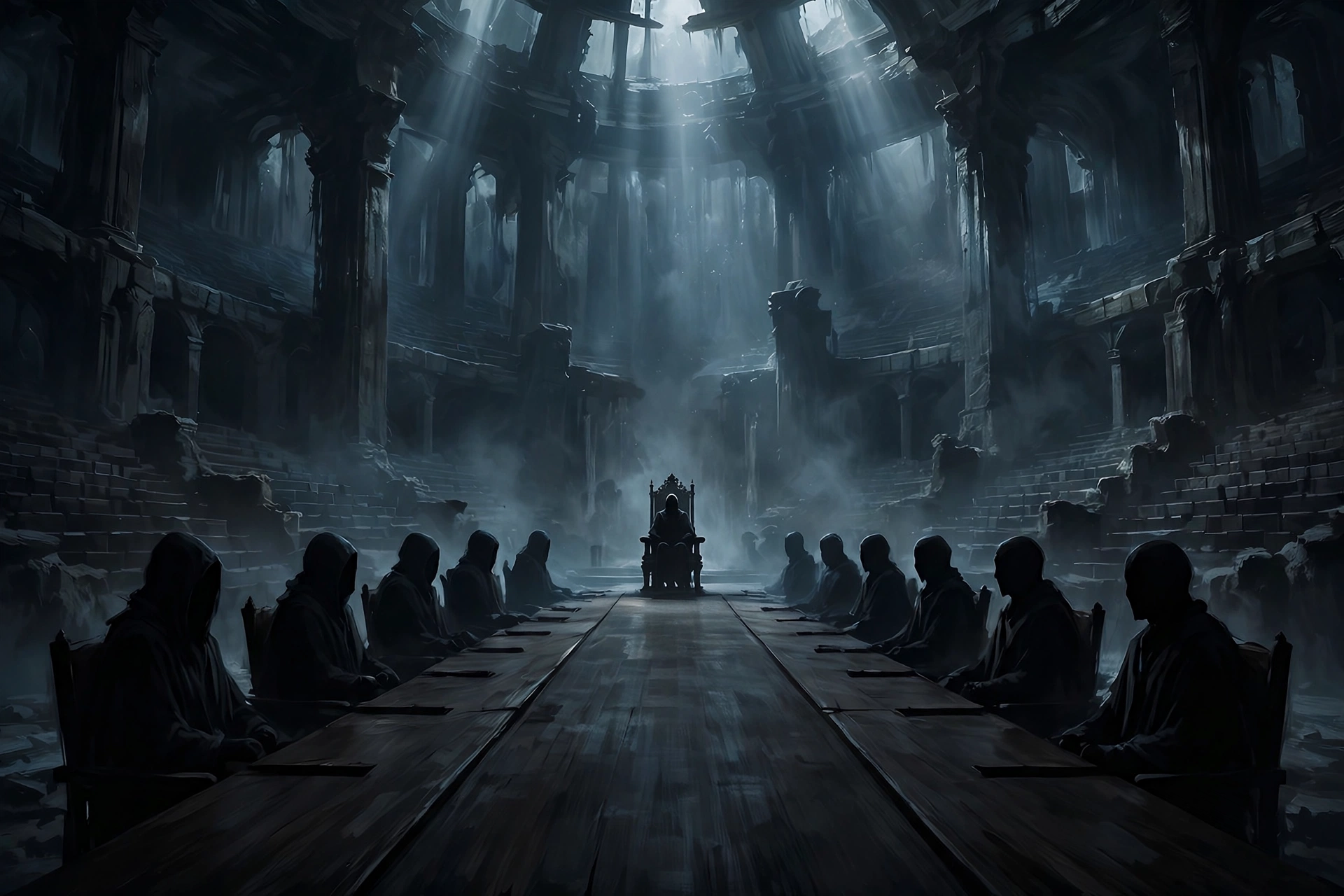 Ernst Stavro Blofeld, bargained out alive at the final table, on terms he drafted himself, his price the authorship of the endgame's final architecture
Blofeld and Klebb left alive, eliminated by accepted bargains on Sanchez's settlement paper. Blofeld stood down on terms he drafted himself, and his price tells the whole of his card in one line: not safety, not passage, but authorship of the final architecture, recognition as the prize it always was for him.
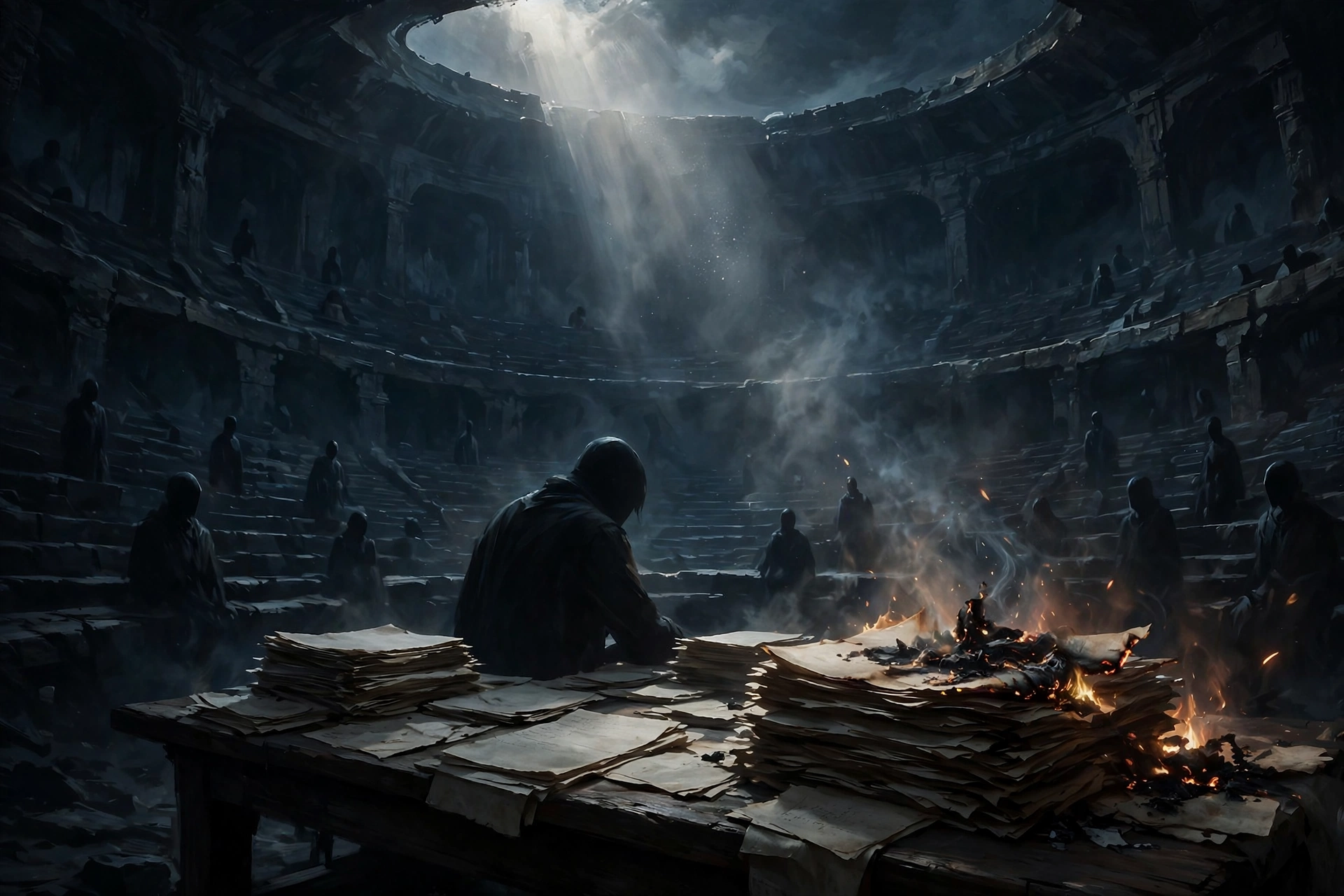 Franz Sanchez, standing at the close with a ruined hand, holding the ledger, the last institution of the arena
Then the final, the pairing the tiers had priced as a spoiler in the audit's first hours: Grant, the winner killer, against Trevelyan, his likeliest victim, with its one condition removed. Grant arrived unwounded and announced, his invisibility spent at the decisive hour to make one death in the arena certain, his method demonstrated in the open. Trevelyan arrived at the edge of able, damage cumulative across three rounds, and warned: he had survived the wire once, inside a script, and had spent the rest of the royale preparing for the second meeting. So the fight happened, in the open, at the table's edge, and it was decided by the only asymmetry left. Grant's discipline is procedural, a sequence executed in order, and the man across from him was the one entrant alive who had already survived step one and studied the sequence from inside it. The ambush premium was spent.
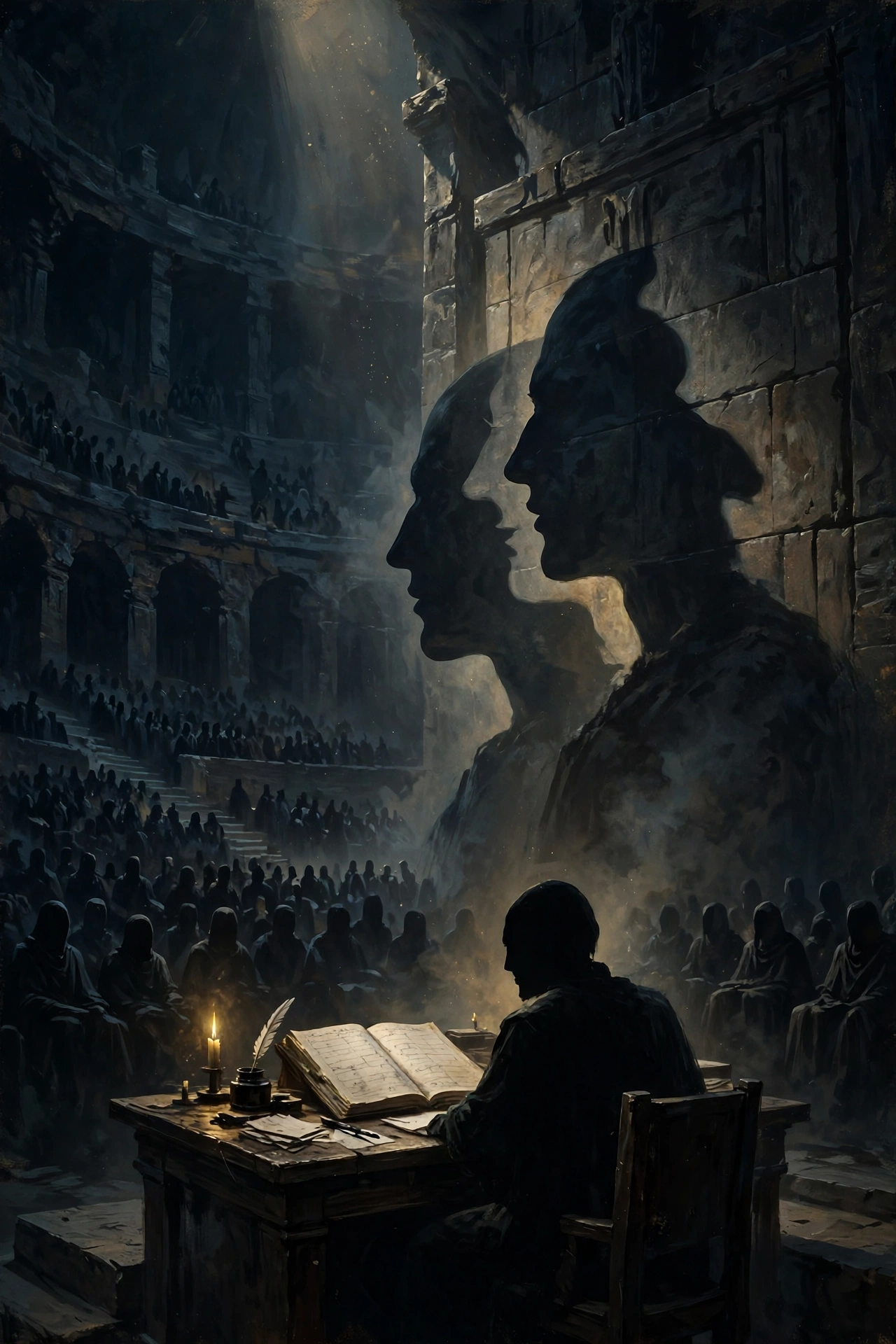 Alec Trevelyan, winner of the Bond Villains Royale, who survived the wire twice and beat Grant by the counter to Grant's own wire
Grant died by the counter to his own wire, in the open, against the man the first application had failed to finish. Sanchez signed the stand down and yielded the arena to its winner. The ledger closed.
The verdict and final standings
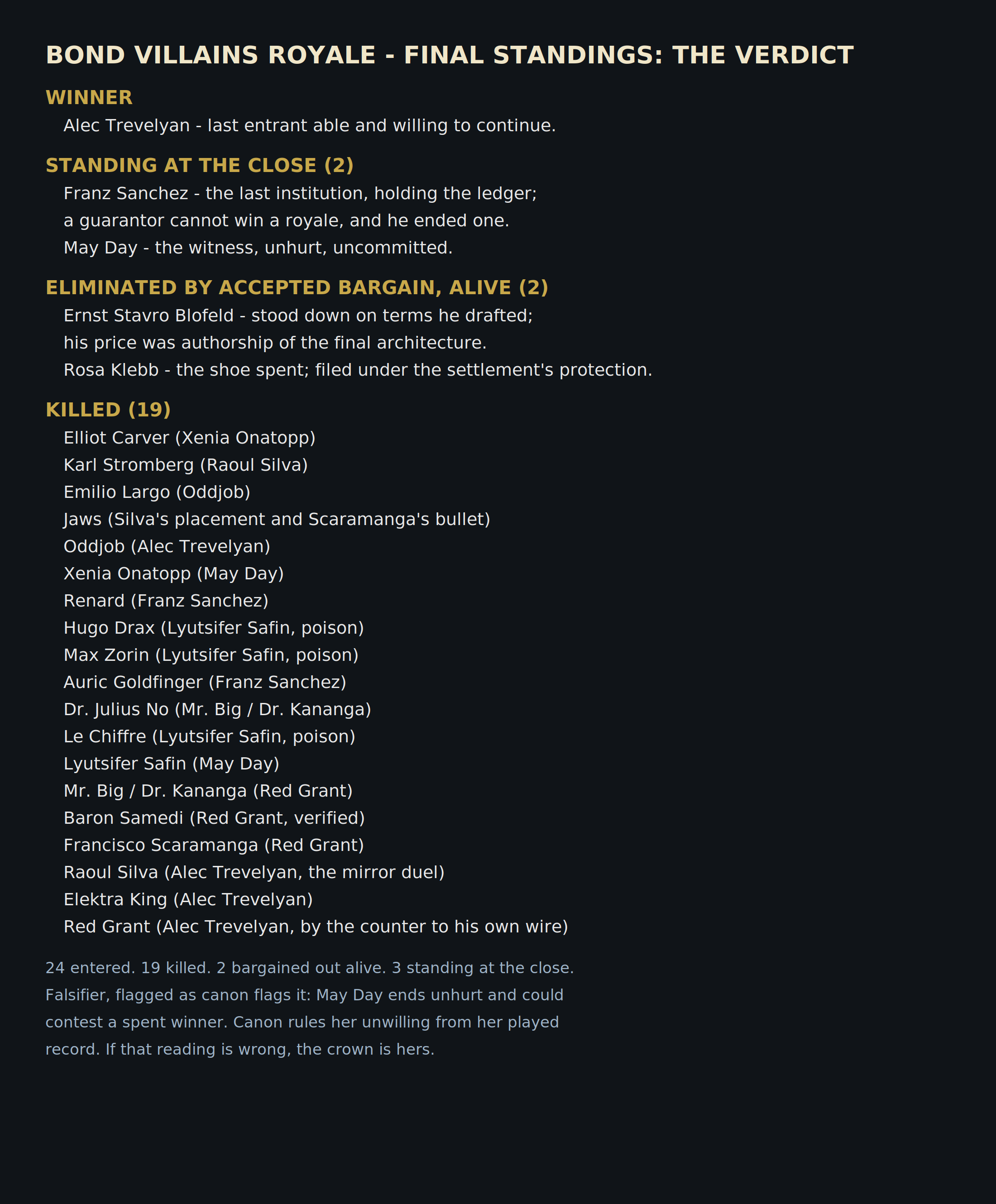
Alec Trevelyan wins the Bond Villains Royale. The closing ledger reads: 24 entered. 19 killed. 2 bargained out alive, Blofeld and Klebb. 3 standing at the close: Trevelyan, the winner; Franz Sanchez, the last institution, hand ruined, holding the ledger; and May Day, the witness, unhurt and uncommitted.
The killed, with their killers, in the record's order: Elliot Carver, killed by Xenia Onatopp. Karl Stromberg, killed by Raoul Silva. Emilio Largo, killed by Oddjob, on Goldfinger's order. Jaws, killed by Silva's placement and Scaramanga's bullet. Oddjob, killed by Alec Trevelyan. Xenia Onatopp, killed by May Day. Renard, killed by Franz Sanchez. Hugo Drax, killed by Lyutsifer Safin, by poison. Max Zorin, killed by Lyutsifer Safin, by poison. Auric Goldfinger, killed by Franz Sanchez. Dr. Julius No, killed by Mr. Big, also known as Dr. Kananga. Le Chiffre, killed by Lyutsifer Safin, by poison. Lyutsifer Safin, killed by May Day. Mr. Big, also known as Dr. Kananga, killed by Red Grant. Baron Samedi, killed by Red Grant, verified. Francisco Scaramanga, killed by Red Grant. Raoul Silva, killed by Alec Trevelyan, in the mirror duel. Elektra King, killed by Alec Trevelyan. Red Grant, killed by Alec Trevelyan, by the counter to his own wire.
The season bracket board below carries the whole shape of that ledger in one picture, the full starting lineup of 24 in seed order, every exit grouped by the round that collected it, and the champion at the head of the final panel.
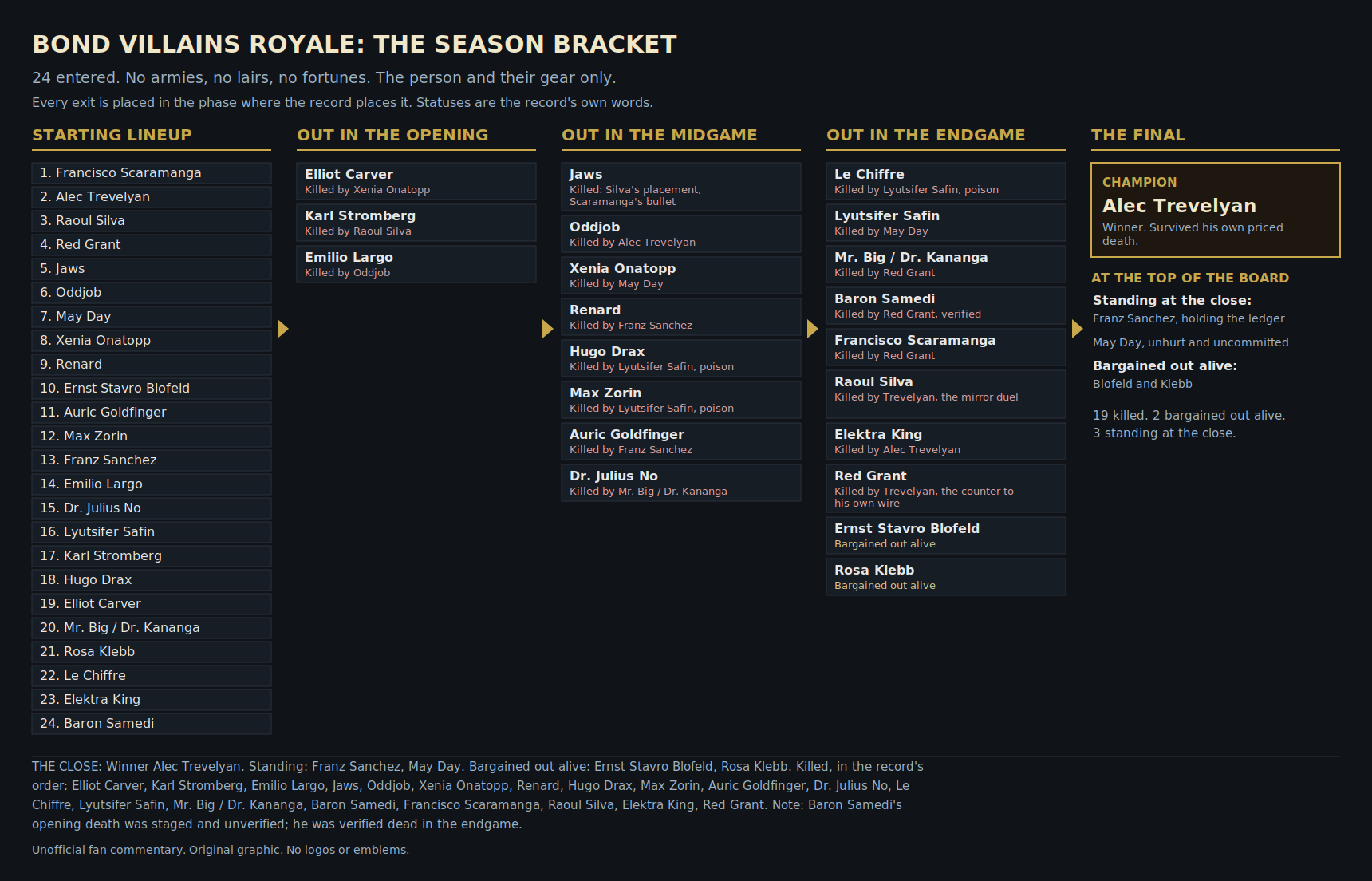
The final standings board below carries the same close in the record's own form, the winner, those standing, those bargained out alive, and all those killed, with the killers beside the names.
The contested calls
Two calls carry the edition, and the record states both openly. The first is the shoe. Klebb's poison hit the target the tiers named for it, Silva, but the record rules the poison a scheduler and accelerant, not the cause of the mirror duel's outcome. It set the duel's clock. It did not throw it.
The second is the falsifier, and it stays flagged and unresolved. May Day ends the royale unhurt, the strongest intact body in the arena, beside the table, uncommitted. She could contest a spent Trevelyan, and the win condition asks only able and willing. The record rules her unwilling from her played record: she defected on evidence, spent her one hire making a duel fair rather than making an outcome hers, and stood witness to the verification so the field's fact would settle. If that reading is wrong, the crown is hers in the following minute. The file says so, and so does this article.
What the series showed
Take away the organizations and the Bond villains stop being masterminds and become a market of crafts, debts, and procedures. The royale was not won by the strongest body or the best hidden killer. It was won by the entrant who survived his own priced death, studied the sequence that nearly killed him, stood on ground other people's evidence had cleared, and was still able, and still willing, when the last procedure ran out of steps. In the human arena, the ledger is a weapon, verification is a weapon, and a bargain signed at the right table ends more contenders than any gun in the field.